
Sony Files for Preliminary Injunction to Block Tencent’s Alleged ‘Horizon’ Knock-off, ‘Light of Motiram’








Popular Now
 Free Fire
 Fortnite
 PUBG Mobile
 Grand Theft Auto V
 Toca Boca World
 FIFA 23
 Among Us
Fall Guys
Among Us
Fall Guys
 Sonic the Hedgehog™ Classic
 God of War Ragnarök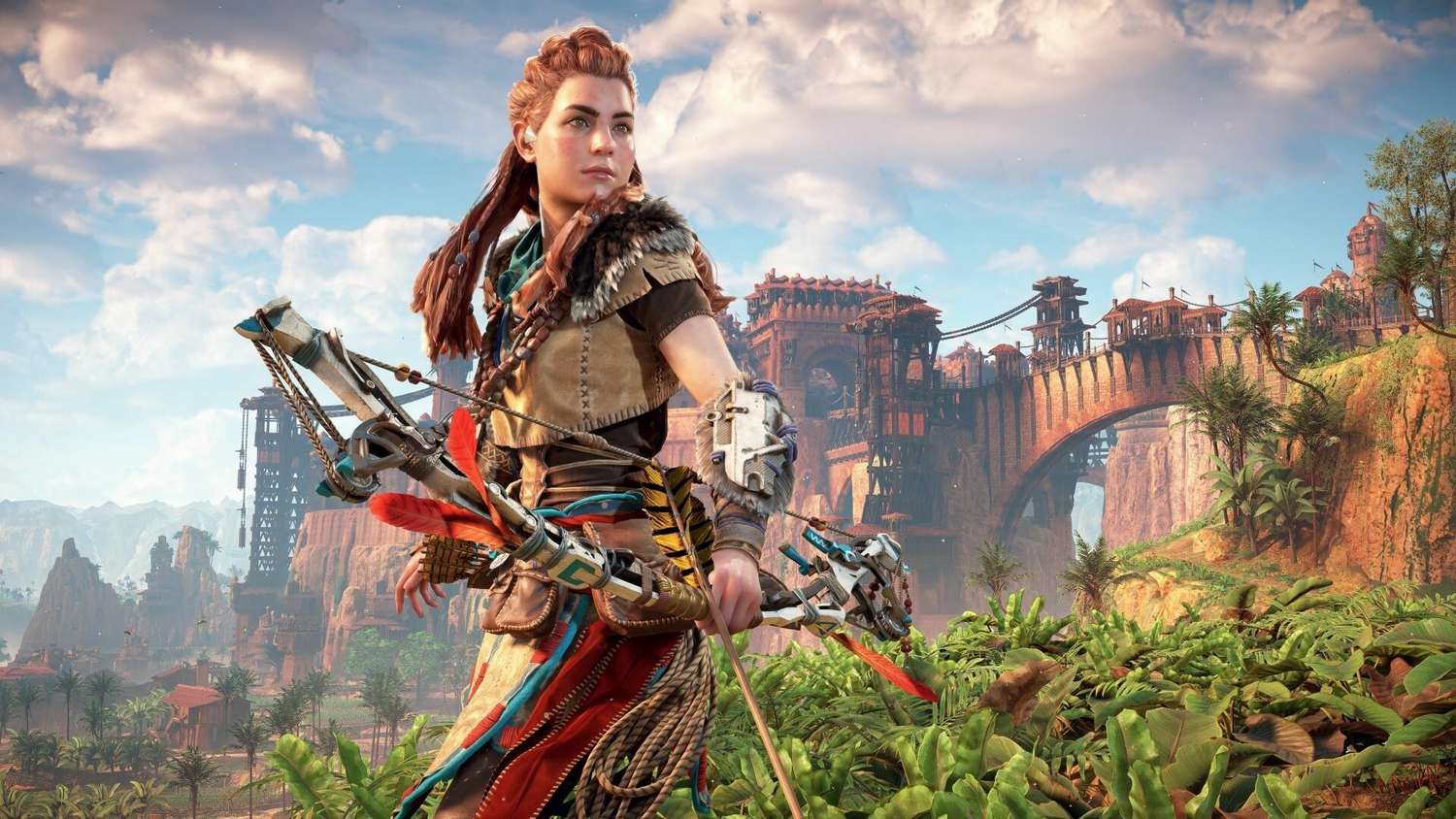
Introduction: Escalating Legal Battle Over IP Protection
The intellectual property war in the video game industry has dramatically escalated this week as Sony Interactive Entertainment (SIE), the studio behind the highly successful Horizon franchise, officially moved to secure a preliminary injunction against Chinese tech behemoth Tencent and its upcoming open-world title, Light of Motiram. The motion, filed with the U.S. District Court for the Northern District of California, is the latest and most aggressive step in a high-stakes copyright infringement lawsuit that pits one of the console market’s biggest players against one of the world’s largest video game publishers.
Sony’s complaint, which initially branded Light of Motiram a “slavish clone” of its critically acclaimed Horizon Zero Dawn and Horizon Forbidden West AAA games, now seeks immediate judicial intervention. The goal is clear: to prevent Tencent from promoting, distributing, or utilizing key visual and thematic elements of Light of Motiram that, according to SIE, directly infringe upon its established IP. The case has been closely watched by industry analysts and developers, as the outcome will set a potentially major precedent for IP protection in the global, multi-billion-dollar gaming industry.
The Core of the Dispute: Alleged Copying and Consumer Confusion
 The legal filing outlines several specific elements that Sony claims are direct, actionable infringements on the unique look and feel of the Horizon universe. The most prominent target of the injunction is the alleged resemblance between the protagonists. Sony is demanding that Tencent be barred from using a “fierce tribal warrior huntress characterized by fiery red hair” that it argues is a blatant look-alike of Horizon’s iconic lead character, Aloy. Sony argues that Aloy is a central brand symbol, and the alleged copy is an egregious effort to trade off of her established goodwill and reputation.
Furthermore, the injunction targets:
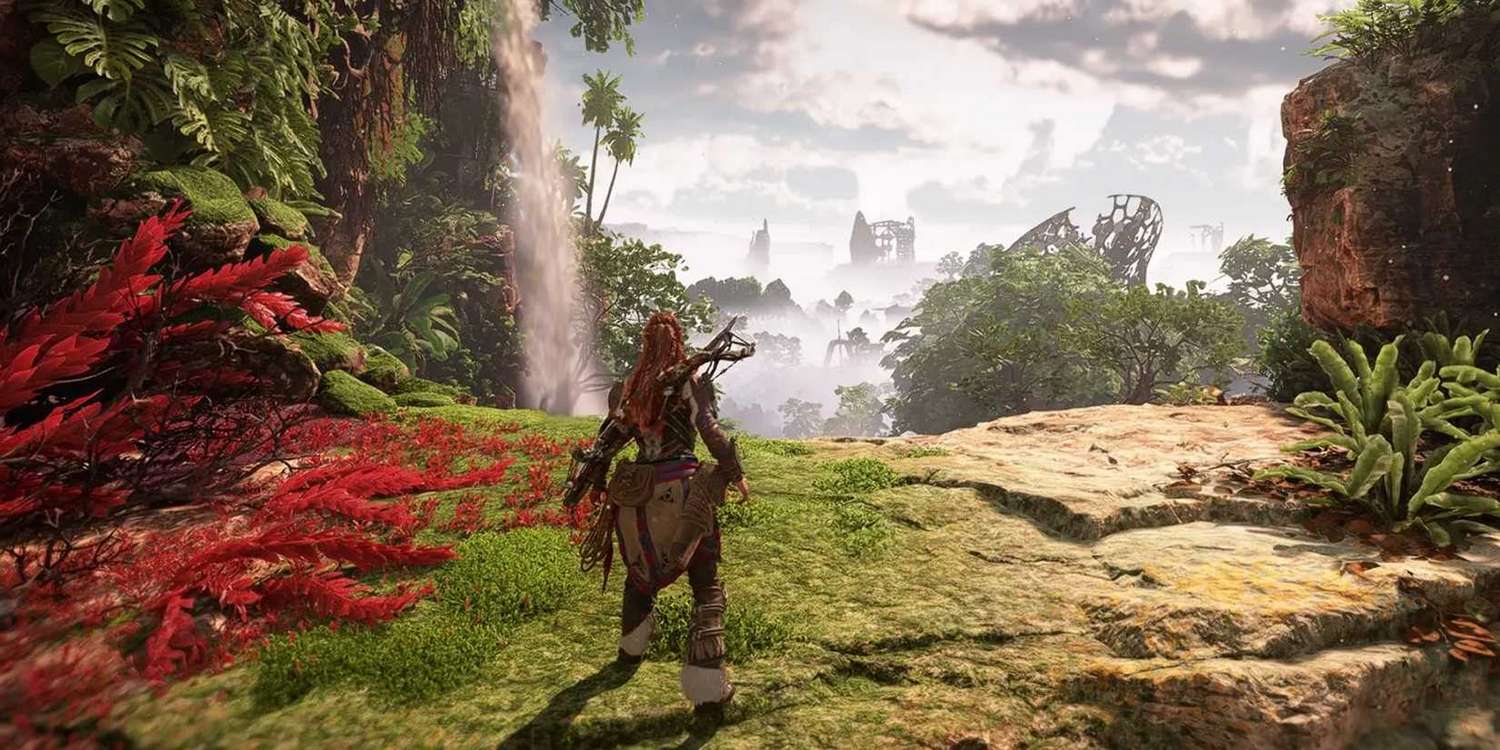
- Visual and aesthetic similarities, including the post-apocalyptic setting, the design of tribal factions, and specific technological elements resembling the “Focus” device from Horizon.
- Music and audio components, including a specific melody used in Light of Motiram’s promotional trailers that is claimed to be highly similar to two compositions from the Horizon Zero Dawn Original Soundtrack.
Sony’s argument rests heavily on the concept of consumer confusion, citing extensive media coverage and public reaction that immediately drew comparisons between the two titles upon Light of Motiram’s initial reveal in late 2024. These reactions, the motion asserts, prove the copying was “so blatant that the public loudly decried the obvious and pervasive copying of Horizon’s protected elements,” which in turn “jeopardizes Horizon’s continued success.”
Tencent’s Counter-Arguments and Sony’s Rebuttal
Tencent, through its various subsidiaries involved in the development and marketing of Light of Motiram (such as Polaris Quest and Aurora Studios), has vigorously opposed the lawsuit. In its motion to dismiss filed in September 2025, Tencent argued that Light of Motiram merely utilizes “well-trodden tropes” and “ubiquitous genre ingredients” common in open-world adventure games, rather than protected elements. Tencent accused Sony of attempting to secure an “impermissible monopoly on genre conventions,” pointing to other games like The Legend of Zelda: Breath of the Wild as examples of titles that share similar elements.
Sony has responded to this defense with sharp criticism, labeling Tencent’s arguments as “nonsense” and a “shell game.” In its recent filings, Sony addressed the claim that the lawsuit targets the wrong legal entities, stating that Tencent Holdings reports all subsidiary revenue under its banner and uses the “Tencent” name without distinction to advertise games like Light of Motiram. Furthermore, Sony dismisses Tencent’s attempt to delay the case based on Light of Motiram’s scheduled release date in late 2027. Sony insists that the damage is done—and continues—as long as the game’s allegedly infringing material is promoted, thus creating the necessary “immediate threatened injury” required for a preliminary injunction.
 What the Preliminary Injunction Seeks to Achieve
A successful preliminary injunction would be a massive legal victory for Sony, forcing Tencent to immediately take significant action well before the full trial concludes. If granted, the injunction would likely:
- Halt all pre-release promotional activities for Light of Motiram that feature the contested elements.
- Mandate a substantial redesign of the game’s protagonist and other key visuals.
- Bar the use of the allegedly infringing music compositions.
- Potentially require the removal of Light of Motiram’s current Steam page and other promotional assets until the case is resolved or the elements are sufficiently altered.
Legal experts note that while an injunction may not permanently “kill the project,” it would impose immense development costs and necessitate a radical creative overhaul for Tencent’s game. It also sends a powerful message that major publishers are prepared to aggressively defend their most valuable intellectual property assets from perceived imitators, particularly those with deep pockets.
The hearing for Sony’s motion is reportedly set for November 2025, and the global gaming community awaits the court’s decision, which will undoubtedly influence future development and IP strategies across the entire video game landscape.