
Petit Planet vs. Animal Crossing: Is HoYoverse the New Cozy King? The Indie Challenger That’s Poised to Dominate Nintendo’s Niche










Popular Now
 Fortnite
 Gacha Club
 Brawl Stars
 Auto X Drift Racing 3
 God of War Ragnarök
Fall Guys
God of War Ragnarök
Fall Guys
 NBA 2K24
 Schedule I
 Roblox
 Rust
Rust 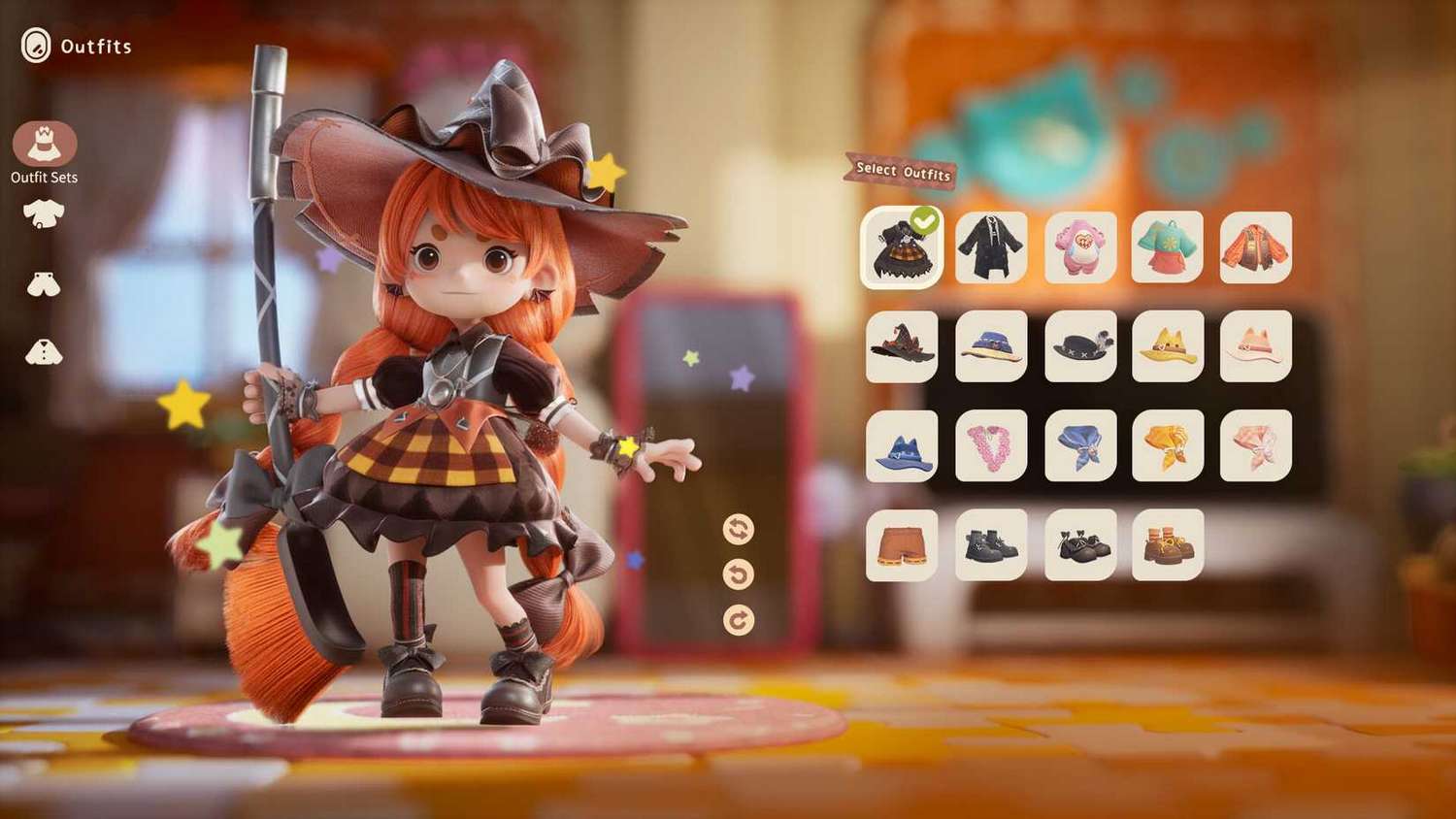
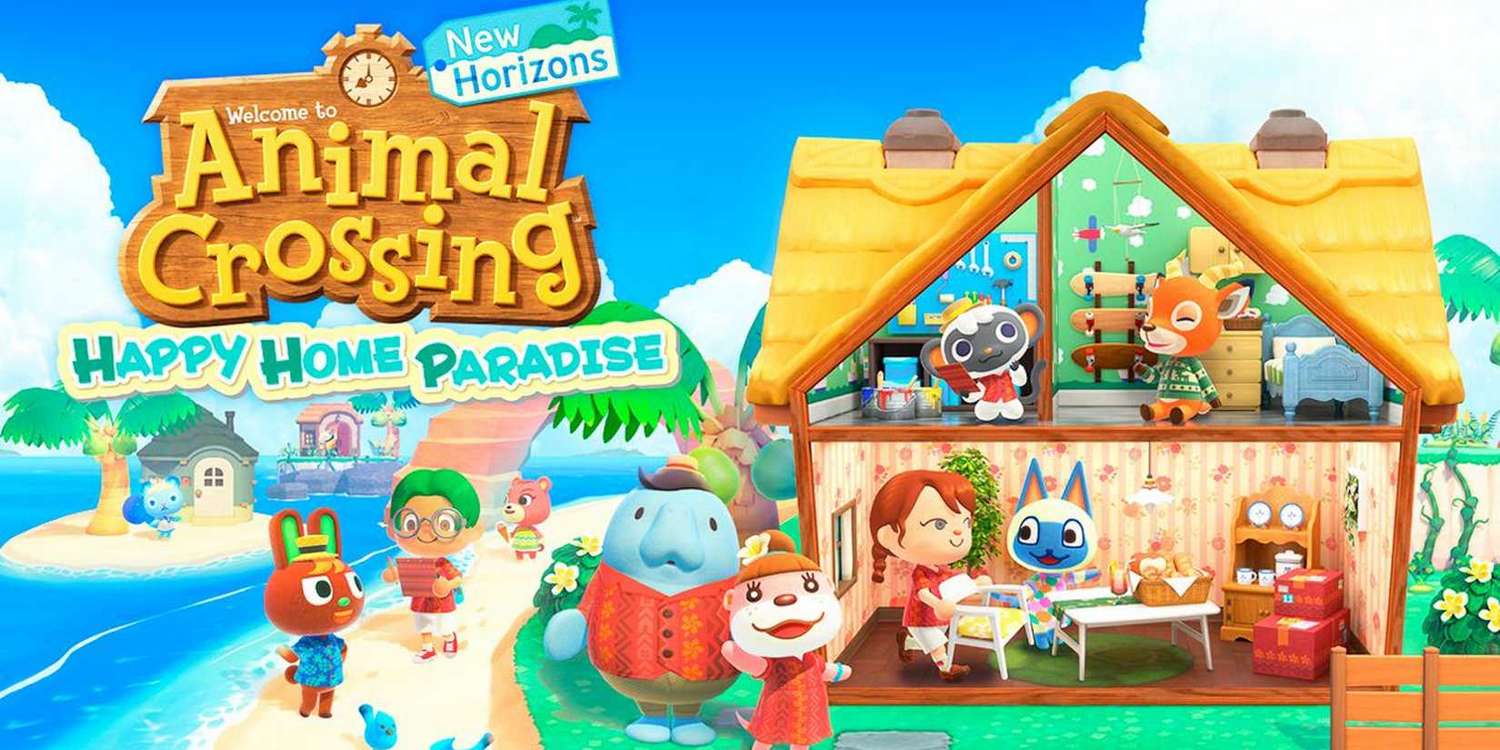
For years, the cozy life simulation genre has been largely synonymous with a single title: Nintendo’s beloved Animal Crossing. The formula of farming, friendship, fishing, and flexible customization has held a virtually unchallenged position on the Nintendo Switch. However, the gaming landscape of late 2025 is undergoing a seismic shift. The announcement and subsequent early access buzz surrounding HoYoverse’s Petit Planet—an unexpected, brand-new IP from the colossal developers behind mega-hits like Genshin Impact—signals the end of Nintendo’s peaceful reign. This is not just another Animal Crossing clone; it is a meticulously crafted, multi-platform life simulation game poised to go head-to-head with the undisputed champion.
The Market Opportunity: Why Nintendo is Vulnerable
The success of Animal Crossing: New Horizons was monumental, but its core limitations have left an open door for a serious competitor. Players crave deeper customization, broader accessibility, and a constant stream of high-quality content—areas where Nintendo’s title, tied to the real-time clock and a console-exclusive ecosystem, sometimes falters.
HoYoverse’s Strategic Advantage: Multi-Platform Dominance
- Accessibility: Petit Planet is confirmed for both PC gaming and mobile devices, with a console release heavily rumored. This immediately captures the vast global audience inaccessible to the Switch-exclusive Animal Crossing. This wider reach translates directly to massive potential in video game marketing and in securing high-value ad placements, making it a lucrative target for game publisher investment.
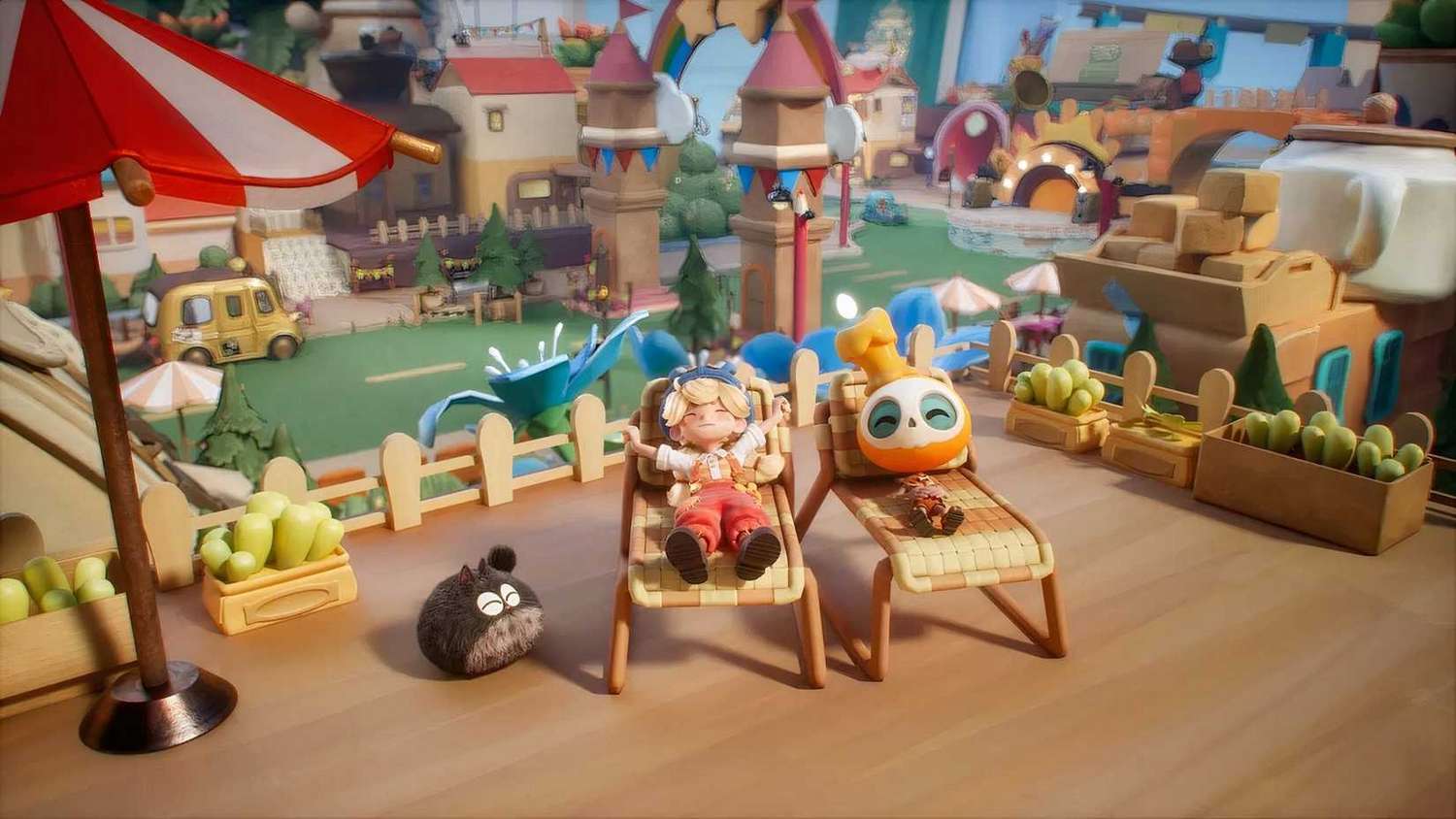
- Graphics & Engine: Leveraging their expertise with world-class engines, Petit Planet boasts a visual fidelity and dynamic world interaction that appears to push the boundaries of the cozy sim genre, offering an unparalleled level of detail for immersive gameplay.
- Monetization & Content: As a developer renowned for their live-service models, HoYoverse is expected to provide a continuous cycle of engaging game updates and events. This approach can solve the content drought criticism often leveled at New Horizons months after its launch, promising a higher return on investment for the player’s time and money.
 Deep Dive: Petit Planet Gameplay and Features
 Deep Dive: Petit Planet Gameplay and Features
Initial previews of Petit Planet highlight its strong focus on a cosmic, terraforming narrative, blending the familiar cozy loop with elements of grand discovery. Players arrive on a small, undeveloped celestial body—their “Planet”—and are tasked with rebuilding a community and exploring the wider cosmos. This scope fundamentally broadens the game’s value proposition beyond a simple island retreat.
Core Mechanics and Innovations:
1. Unconstrained Building and Design:
Unlike the grid-based limitations of its primary rival, Petit Planet introduces truly innovative, grid-less building tools. Players can sculpt terrain with precision, place objects with rotational freedom, and even design their own furniture schematics using an in-game editor. This level of granular control is a direct answer to the demand for deeper home customization and is a powerful lure for the dedicated design community within the sim genre.
2. Dynamic Seasons and Cosmic Events:
While Animal Crossing follows Earth’s calendar, Petit Planet features its own set of dynamic, in-game ‘Cosmic Seasons’ tied to astronomical phenomena. These not only dictate crop growth and collectible item availability but also introduce unique, limited-time PvE (Player versus Environment) challenges and opportunities for rare material acquisition, offering a more engaging daily login incentive.
3. Advanced Social and Economic Simulation:
The game’s non-player characters (NPCs) are touted to have complex AI, with evolving relationships, dynamic preferences, and a functional in-game virtual economy. Players can open shops, trade rare items, and even invest in community projects that visibly alter the world, providing a depth of interaction often missing in previous cozy sims. The ability to buy and sell high-demand resources is a key component of this robust system.
4. Multiplayer and Community-Driven Content:
Petit Planet is heavily pushing its social features. The ability to seamlessly visit and interact with friends’ planets, engage in collaborative building projects, and participate in large-scale public events addresses a critical need for shared experience in the cozy gaming community. Furthermore, the game’s planned support for modding and user-generated content, a staple of successful PC simulation games, positions it as a long-term investment in the genre.
Conclusion: The End of a Monopoly
The emergence of Petit Planet is more than just a new release; it’s a direct, serious challenge to one of Nintendo’s most valuable properties. By addressing the core desires of the simulation game audience—namely, deeper building mechanics, cross-platform accessibility, and a commitment to sustained, rich content—HoYoverse is betting that a modern, open-ecosystem approach will dethrone the king of cozy. The marketplace for life simulation games is about to become a fiercely competitive battleground, and for consumers, that is a spectacular win. The era of the undisputed cozy monopoly is over, and the new gaming franchise on the block is making an undeniable play for the throne.