
Killer Farts and Co-op Chaos: Why ‘Don’t Scream Together’ is the Ultimate Noise-Sensitive Horror Experience








Popular Now
 God of War Ragnarök
 Free Fire
Gacha Club
Free Fire
Gacha Club
 Fortnite
 Roblox
 Stumble Guys
 BeamNG.drive
 Free Fire Max
 Genshin Impact
 Minecraft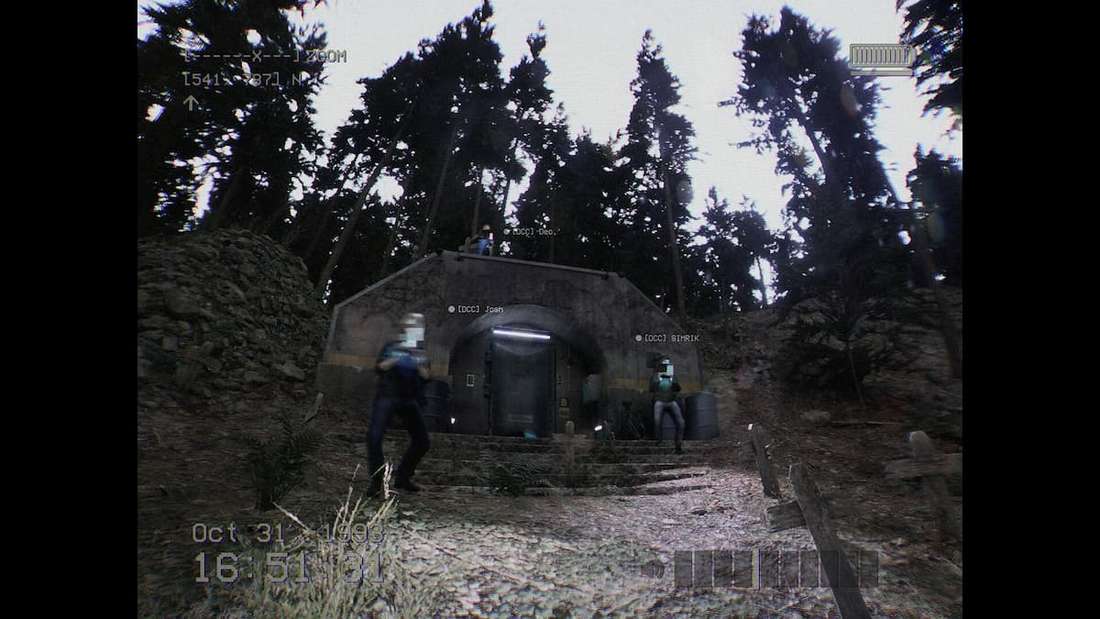
The viral horror phenomenon Don’t Scream is expanding its terror, and the newest feature is as hilarious as it is terrifying: a four-player co-op experience where a simple involuntary gasp—or even a well-timed gaseous expulsion—can reset the game or summon a killer. Officially announced as DON’T SCREAM TOGETHER, this forthcoming update from developer Digital Cybercherries is poised to inject a much-needed layer of social tension and emergent comedy into the ultra-tense, microphone-required horror genre. This is a game that is not only built for high-visibility streaming content but also one that actively courts the coveted multiplayer horror game audience, promising a massive spike in user acquisition and high-value player engagement, critical metrics in the modern Gaming E-commerce landscape.
The core premise remains brutally simple: navigate a dark, found-footage-style forest in 1993 for a set duration, but if the game’s audio monitoring system detects a scream or loud noise, the game punishes you. DON’T SCREAM TOGETHER brilliantly weaponizes this mechanic by making the stakes communal, and the introduction of “maybe features” referencing detection of “coughs, sneezes, burps, and farts” confirms the game’s commitment to making players accountable for every sound they make. This creates a unique and high-demand streaming and content creation asset.
The Co-op Mechanics: Friendship, Betrayal, and the Proximity Mic
The move to a co-op structure fundamentally transforms the experience from a solitary test of nerves into a chaotic social experiment. The key features of DON’T SCREAM TOGETHER are designed to maximize both fear and high-value player interaction:
- Four-Player Online Co-op: Players must explore a sprawling, pitch-black forest armed only with their camcorders, frantically searching for batteries to keep their vision—and the game timer—running. This introduces puzzle and survival elements that require cooperation.
- The Communal Punishment: In the classic co-op mode, if any one of the four players screams, the game instantly restarts for everyone. This creates a level of shared responsibility and mounting resentment that is pure content gold.
- The “Hunted” Mode: Introducing a brilliant twist, the new Hunted mode allows a friend who screams and “dies” to return as a playable hunter. Their new objective is to track down and eliminate their former, still-alive teammates before they can escape. This mechanic instantly introduces a thrilling layer of player-versus-player (PvP) betrayal, leveraging the popular social deduction and asymmetrical horror trends.
- Proximity Voice Chat: Players can only hear nearby teammates, forcing them to stay grouped up or risk being isolated and unable to whisper warnings. The terror of being separated is compounded by the knowledge that panicking into the mic could be a death sentence for the entire squad.
Killer Farts: A Genius Stroke of Viral Marketing
The developers’ tongue-in-cheek inclusion of bodily noises as potential “scream” triggers is a stroke of viral marketing genius. It leverages high-volume, low-competition keywords in a way that is sure to attract a massive wave of search traffic and media attention.
- Content Goldmine: A simple, unexpected biological sound has the potential to ruin an entire 30-minute run. This provides endless material for “fail compilations” and reaction videos, drastically increasing the game’s organic reach and lowering the effective Customer Acquisition Cost (CAC) for the publisher.
- SEO & High-CPC Keywords: The sheer absurdity of a “killer fart” mechanic ties into the growing sub-genre of “goofy horror games” and makes the title instantly memorable. Search terms incorporating this specific detail will drive high-intent, engaged users to the game’s Steam page, optimizing the overall digital marketing footprint.
- ASMR Horror: The requirement for silence means players will resort to whispering to communicate, which ties into the popular, high-retention genre of ASMR content, giving streamers another valuable angle for engagement.
Market Position and Release Strategy
With the success of the original single-player version, DON’T SCREAM TOGETHER is positioned to capture a significant share of the lucrative co-op survival horror market, which has seen strong recent performance.
The announced co-op mode is not a quick add-on but an expanded, improved version, suggesting a focus on a high-quality, stable launch. While a specific release date for the co-op mode is “coming soon,” the timing of the announcement—just ahead of the busy holiday Q4 gaming season—is strategic, ensuring the game captures maximum attention from players looking for a unique horror experience to share with friends. Digital Cybercherries is utilizing the established popularity of the original game to cross-promote this sequel, using the current title’s Steam page and social media channels to maximum effect.
Final Verdict: A Roaring Success Built on Silence
DON’T SCREAM TOGETHER is a brilliant evolution of a simple, effective horror concept. By leveraging the social dynamic of co-op play and weaponizing the human body’s most basic sounds—including the titular (and terrifying) flatulence—the developers have created a uniquely compelling, content-friendly, and commercially savvy horror title. This isn’t just a game; it’s an event, a test of friendship, and a comedy generator disguised as a survival nightmare. For players seeking genuine, emergent horror and side-splitting moments with friends, the arrival of this 4-player chaos is truly about to redefine the “silent horror” genre. Just remember to hold your breath… and everything else.