
GTA 6 Release Date Under Scrutiny: New Delay Rumors Spark Concern Among Gamers and Investors










Popular Now
 NBA 2K24
Valorant
NBA 2K24
Valorant
 Counter-Strike 2
 Geometry Dash
Gacha Club
Geometry Dash
Gacha Club
 Garena Free Fire: Kalahari
 Roblox
Genshin Impact
Call of Duty
Roblox
Genshin Impact
Call of Duty
 Fortnite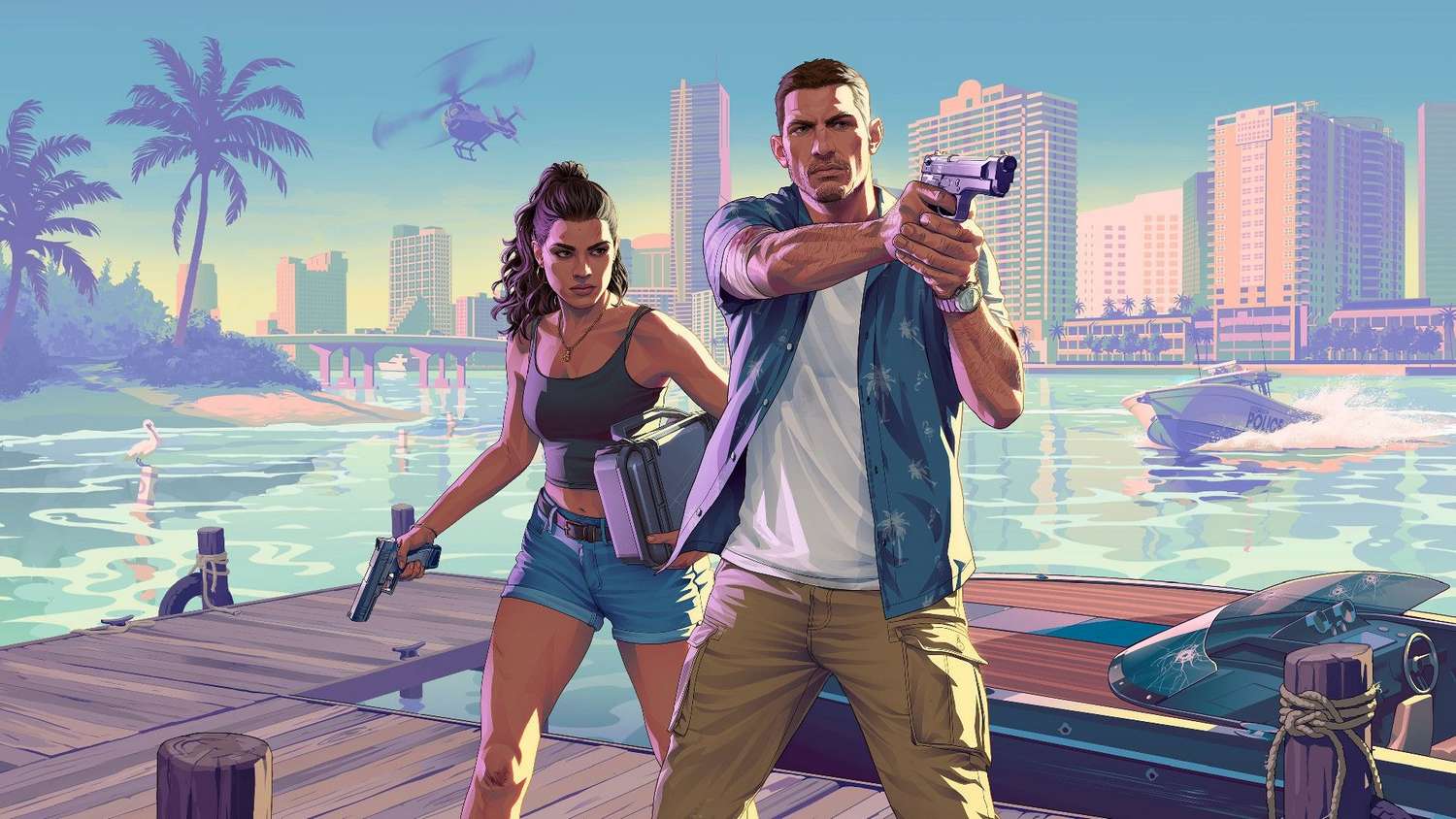
The gaming world is once again abuzz with speculation surrounding the highly anticipated launch of Grand Theft Auto VI. Fresh rumors have begun circulating, suggesting that Rockstar Games, under the umbrella of Take-Two Interactive, might be contemplating another postponement of the game’s release. This development, while still unconfirmed, has sent ripples of concern through both the fervent gaming community and the financial markets closely tracking the performance of Take-Two Interactive (TTWO) stock.
For years, GTA 6 has been arguably the most anticipated title in the history of interactive entertainment. The sheer scale of its predecessor, Grand Theft Auto V, which has sold over 195 million copies worldwide, set an almost insurmountable benchmark. Any news, however speculative, regarding its successor’s launch timeline carries immense weight, affecting everything from consumer confidence in pre-orders to investor projections for upcoming fiscal years. The potential for a delay, even if it ultimately leads to a more polished product, introduces a significant element of uncertainty into the gaming industry‘s immediate future.
The Weight of Expectation: Grand Theft Auto VI’s Development Journey
Since its official reveal, culminating in a record-breaking first trailer that garnered over 90 million views in 24 hours, Grand Theft Auto VI has been positioned as the definitive next-generation open-world experience. Set in the vibrant, modern-day Vice City, the game promises unparalleled graphical fidelity, an expansive narrative featuring dual protagonists Lucia and Jason, and a dynamically evolving world that aims to redefine the boundaries of interactive storytelling. The development team at Rockstar Games is known for its meticulous attention to detail and commitment to delivering groundbreaking titles, a legacy established by games like Red Dead Redemption 2.
However, this commitment to excellence often translates into extended development cycles. The journey of crafting a game of GTA VI’s presumed scope — integrating cutting-edge gameplay mechanics, realistic physics, and sophisticated AI into a seamless open-world game — is fraught with technical hurdles and creative challenges. The pressure on Rockstar is unprecedented, not just to meet the monumental expectations of its global fanbase but also to innovate in a market increasingly dominated by live-service models and evolving player demands. This immense pressure forms the backdrop against which any delay rumors must be understood.
Unpacking the Sources: Where Do These Rumors Originate?
The current wave of delay speculation appears to stem from a confluence of factors, primarily vague reports from anonymous sources claiming insider knowledge of Rockstar’s internal development timelines. These whispers are often amplified by financial analysts who interpret broader industry trends, development patterns, and Take-Two Interactive’s quarterly earnings calls for hints regarding the ambitious title’s progress. While Rockstar Games maintains its characteristic silence on such matters, the very nature of this secrecy often fuels further speculation within dedicated gaming forums and social media platforms.
Historically, significant game releases, especially those from major publishers like Take-Two, are subject to intense scrutiny long before their official launch. Any perceived deviation from an unspoken timeline or any mention of unforeseen challenges can quickly escalate into widespread rumors. It’s crucial for consumers and investors alike to approach these unconfirmed reports with caution, recognizing the difference between informed analysis and mere conjecture.
Potential Factors Driving a Postponement
Should the rumors prove accurate, a delay in the GTA 6 release date could be attributed to several complex factors inherent in modern AAA game development:
- Technical Complexity and Optimization: The ambition behind GTA VI likely demands pushing the limits of current hardware, particularly next-gen consoles. Optimizing the game engine (likely an advanced iteration of the RAGE engine) for peak performance, ensuring high frame rates, minimal bugs, and unparalleled graphical fidelity across multiple platforms is a monumental task.
- Scope Creep and Feature Refinement: As development progresses, new ideas and improvements often emerge, potentially expanding the game’s scope. Integrating these new features while maintaining overall design coherence and quality can extend timelines. Ensuring that every aspect of the gameplay experience lives up to Rockstar’s reputation requires extensive refinement.
- Quality Assurance (QA) and Bug Fixing: For a game of GTA VI’s anticipated size and complexity, the QA process is incredibly rigorous. Identifying, reproducing, and fixing thousands of potential bugs, glitches, and performance issues takes considerable time and resources. A flawed launch could severely damage the game’s initial reception and critical reviews.
- Strategic Market Positioning: Publishers often adjust release dates to avoid direct competition with other major titles or to capitalize on specific marketing windows. Take-Two Interactive might be evaluating the optimal time to unleash GTA VI to maximize its market impact and sales figures, ensuring a smooth transition into its anticipated live-service elements.
- Employee Well-being and Development Culture: Following past industry discussions around ‘crunch culture,’ many studios are striving for more sustainable development practices. Ensuring the well-being of the development team and avoiding excessive crunch periods, while still delivering a high-quality product, can naturally extend timelines.
 Broader Implications: From Player Anticipation to Market Volatility
 Broader Implications: From Player Anticipation to Market Volatility
The repercussions of a potential GTA VI delay extend far beyond the immediate disappointment of eager players. For the gaming community, it signifies a prolonged wait for what many consider to be the defining title of the decade. The heightened expectations could reach fever pitch, placing an even greater burden on the final product to deliver an unblemished, groundbreaking experience that justifies the extended anticipation. From a game review perspective, delays raise the bar significantly; critics and players will scrutinize every detail, expecting nothing short of perfection.
Economically, a delay would undoubtedly impact Take-Two Interactive’s financial projections. Analysts and investors have already factored a specific launch window into their models, and any shift could lead to adjustments in stock valuation. Major releases like GTA VI are often pivotal for quarterly earnings, and rescheduling can cause short-term market volatility. Furthermore, the ripple effect on the broader gaming industry is tangible. Other publishers might adjust their own release schedules, knowing that GTA VI will command an immense share of consumer attention and spending.
The current generation of consoles, the PlayStation 5 and Xbox Series X/S, have yet to see a title of GTA VI’s magnitude fully utilize their capabilities. A delay, while frustrating, theoretically offers Rockstar more time to fine-tune the experience, potentially leading to an even more optimized and visually stunning game upon eventual release. This extra development time could be crucial in crafting a definitive experience that garners universal critical acclaim and sets new standards for high-fidelity graphics and immersive worlds, thereby ensuring overwhelmingly positive gaming reviews.
Rockstar’s Silence and Historical Context
Rockstar Games has a long-standing tradition of remaining tight-lipped about its development processes and release schedules until official announcements are ready. This approach, while effective in managing hype, also creates fertile ground for rumors and speculation. Past titles like Grand Theft Auto V and Red Dead Redemption 2 also experienced periods of prolonged silence and subsequent delays, often resulting in games that ultimately exceeded expectations and delivered immense commercial success and critical praise.
This historical context offers both reassurance and caution. While delays are common for games of this scale and often lead to better final products, they also test the patience of the fanbase. The lesson from other major titles that faced delays, such as Cyberpunk 2077, is clear: rushing a product to market can have catastrophic consequences for a brand’s reputation and long-term sales, regardless of initial hype. Rockstar, undoubtedly, will be keenly aware of these precedents.
The Ultimate Trade-off: Quality Versus Timeliness
Ultimately, the discussion around a potential GTA VI delay boils down to the perennial trade-off between timely delivery and uncompromising quality. In an industry where a flawed launch can overshadow years of development, ensuring the game is absolutely ready is paramount. While gamers may feel a pang of disappointment at any news of postponement, the consensus often leans towards preferring a delay if it guarantees a more polished, complete, and thoroughly enjoyable final product.
The eventual release of Grand Theft Auto VI is not just another game launch; it is a cultural event. Its impact will be felt across the entire entertainment landscape, influencing future game development trends, setting new benchmarks for storytelling and open-world design, and potentially dominating the conversation in gaming reviews for years to come. Whether it arrives precisely on an anticipated schedule or a little later, the gaming world will be waiting, hoping that the extra time invested translates into an unparalleled adventure worthy of the ‘Grand Theft Auto’ moniker.