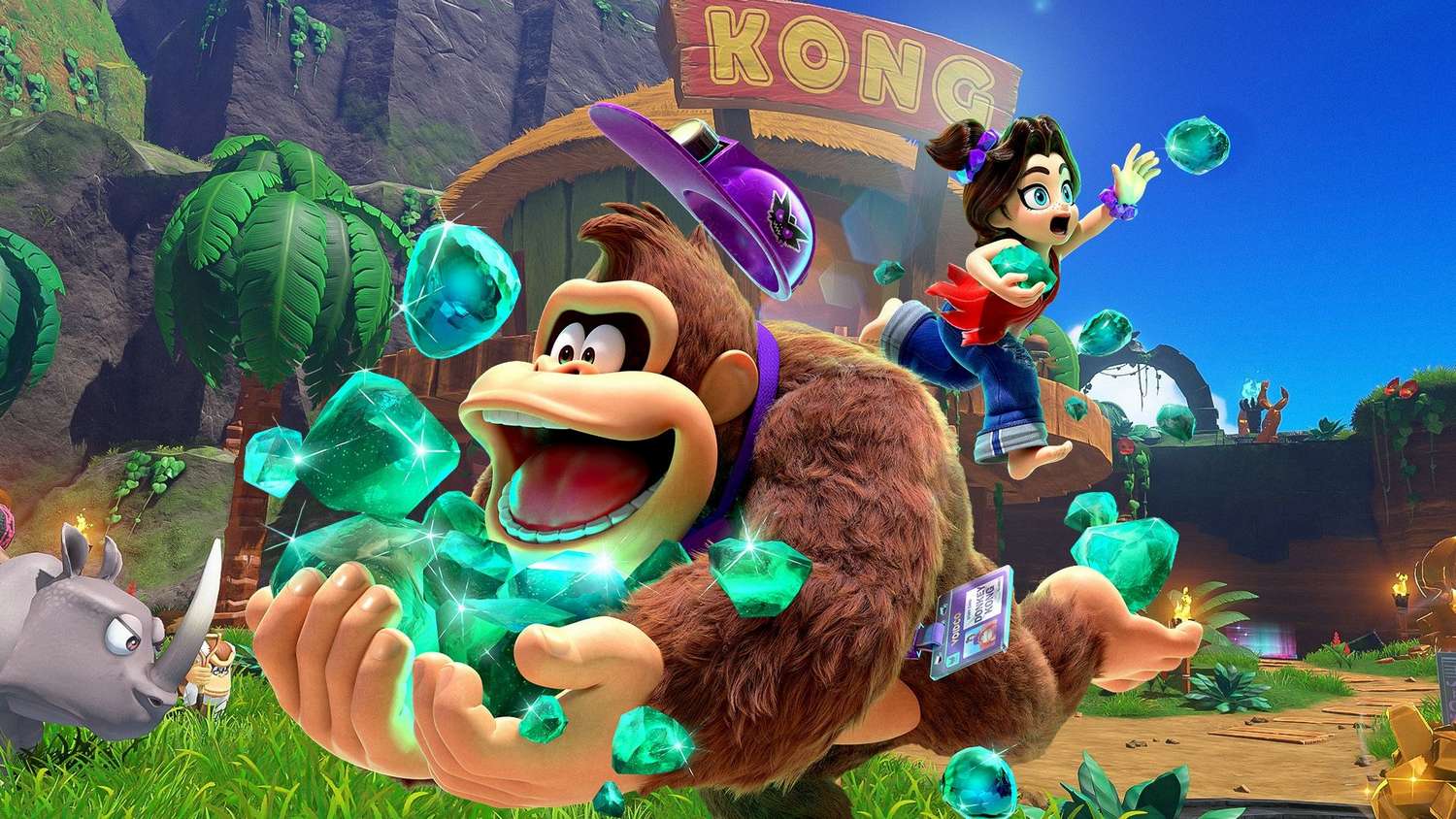
Donkey Kong’s Next Level: How Breath of the Wild and Tears of the Kingdom Are Redefining Nintendo’s Approach to Classic IPs









Popular Now
 League of Legends
 NBA 2K24
 FIFA 23
 Grand Theft Auto V
 God of War Ragnarök
 CarX Street
 Fortnite
 PUBG Mobile
 Call of Duty
 EA SPORT FC 25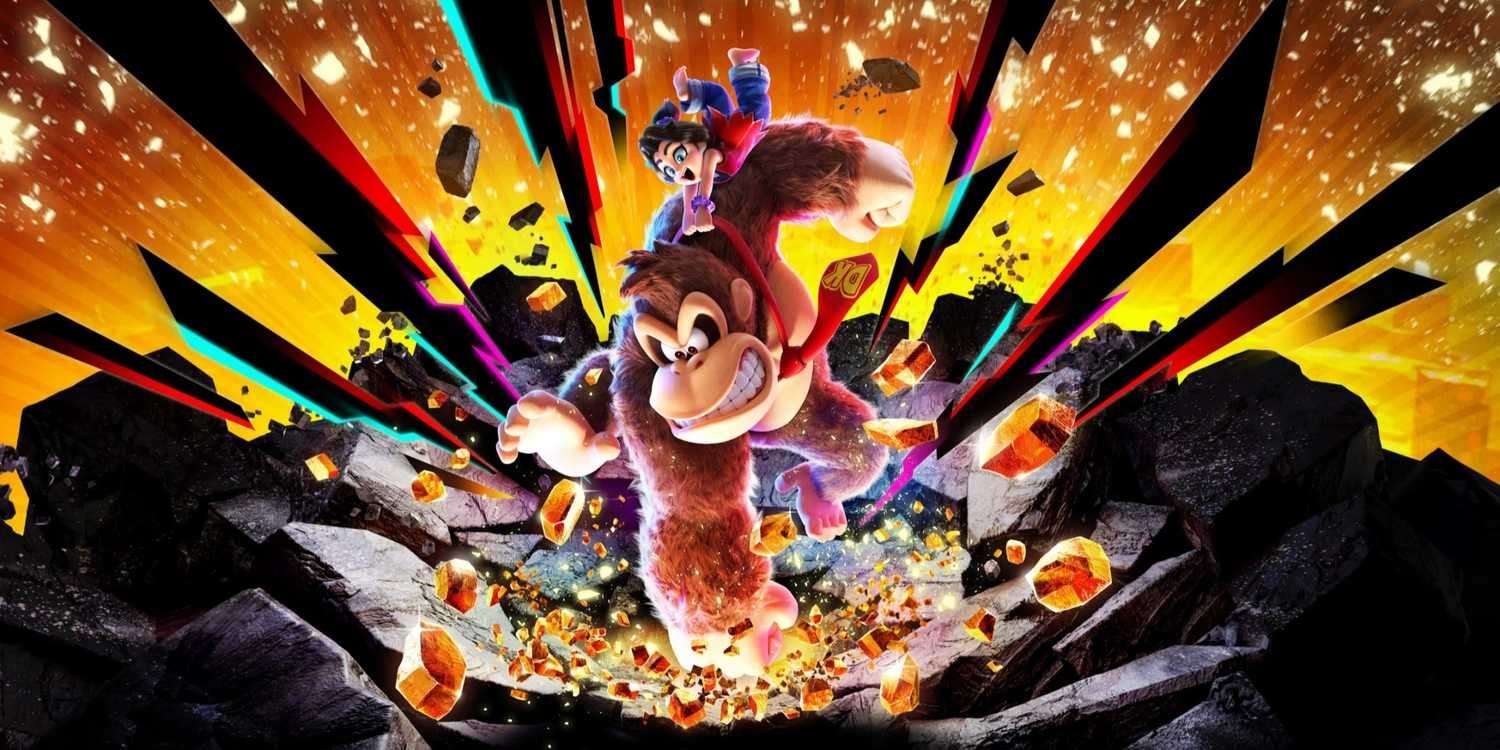
The gaming world has unequivocally shifted, largely spearheaded by Nintendo’s groundbreaking entries into the Legend of Zelda series: Breath of the Wild and Tears of the Kingdom. These titles didn’t just redefine a beloved franchise; they fundamentally challenged conventional game design, setting new benchmarks for open-world gameplay, player agency, and emergent narrative. As the dust settles on their colossal success and continued influence, the industry now speculates how this revolutionary paradigm might permeate Nintendo’s other iconic intellectual properties. One compelling thought experiment centers on the Donkey Kong franchise, particularly envisioning a title like the hypothetical ‘Donkey Kong Bananza’ through this new lens, revealing just how profound Zelda’s impact truly is on Nintendo’s strategic game development.
Historically, the Donkey Kong series has excelled as a masterclass in linear platforming, renowned for its intricate level design, precise controls, and challenging gameplay. From the barrel-blasting antics of the original Donkey Kong Country to the sophisticated mechanics of Tropical Freeze, the core experience has largely been a guided journey through meticulously crafted stages. However, the advent of Breath of the Wild introduced players to an unparalleled sense of freedom, inviting them to explore Hyrule without arbitrary boundaries, solve puzzles through physics-based interactions, and forge their own paths. Tears of the Kingdom further amplified this with its innovative Ultrahand and Fuse abilities, empowering players to construct tools, vehicles, and elaborate contraptions, truly making them co-creators in their adventure.
The Zelda Effect: A New Blueprint for Exploration and Innovation
What does this mean for a potential ‘Donkey Kong Bananza’? Imagine Kongo Bongo Island not as a series of segmented levels, but as a vast, interconnected ecosystem teeming with secrets, challenges, and dynamic environmental puzzles. Instead of simply progressing from left to right, players might be tasked with navigating sprawling jungle canopies, exploring ancient ruins, or diving into uncharted underwater caverns, all while leveraging Donkey Kong’s unique abilities. The focus would shift from sequential progression to exploration and discovery, mirroring the rewarding loop established by the recent Zelda titles. This open-world gameplay approach could breathe new life into the beloved gorilla’s adventures, transforming a classic platformer into an immersive exploration game.
The impact of Zelda’s physics engine and player-driven mechanics cannot be overstated. In a ‘Donkey Kong Bananza’ scenario, this could translate into unprecedented levels of interactivity. Perhaps Donkey Kong could use his strength to manipulate heavy objects to clear paths, construct makeshift bridges across treacherous gaps, or even build rudimentary vehicles for traversing vast distances. The ability to dynamically interact with the environment could introduce an entirely new layer of strategy and creativity, fundamentally altering how players approach obstacles and engage with the world. This represents a significant investment in emergent gameplay, offering a premium gaming experience that prioritizes player choice and experimentation.
Challenges and Opportunities for Franchise Revitalization
Of course, integrating such expansive and flexible mechanics into a franchise like Donkey Kong presents unique challenges. The precise platforming that fans adore might need to evolve to accommodate greater player freedom. The development team would need to find a delicate balance: how to retain the essence of Donkey Kong’s identity—its vibrant world, memorable characters, and satisfying platforming—while embracing the open-ended design philosophy championed by the modern Zelda games. This is not about simply copying mechanics but understanding the underlying design principles that made Zelda so compelling: the emphasis on systemic gameplay, player choice, and a sense of genuine adventure.
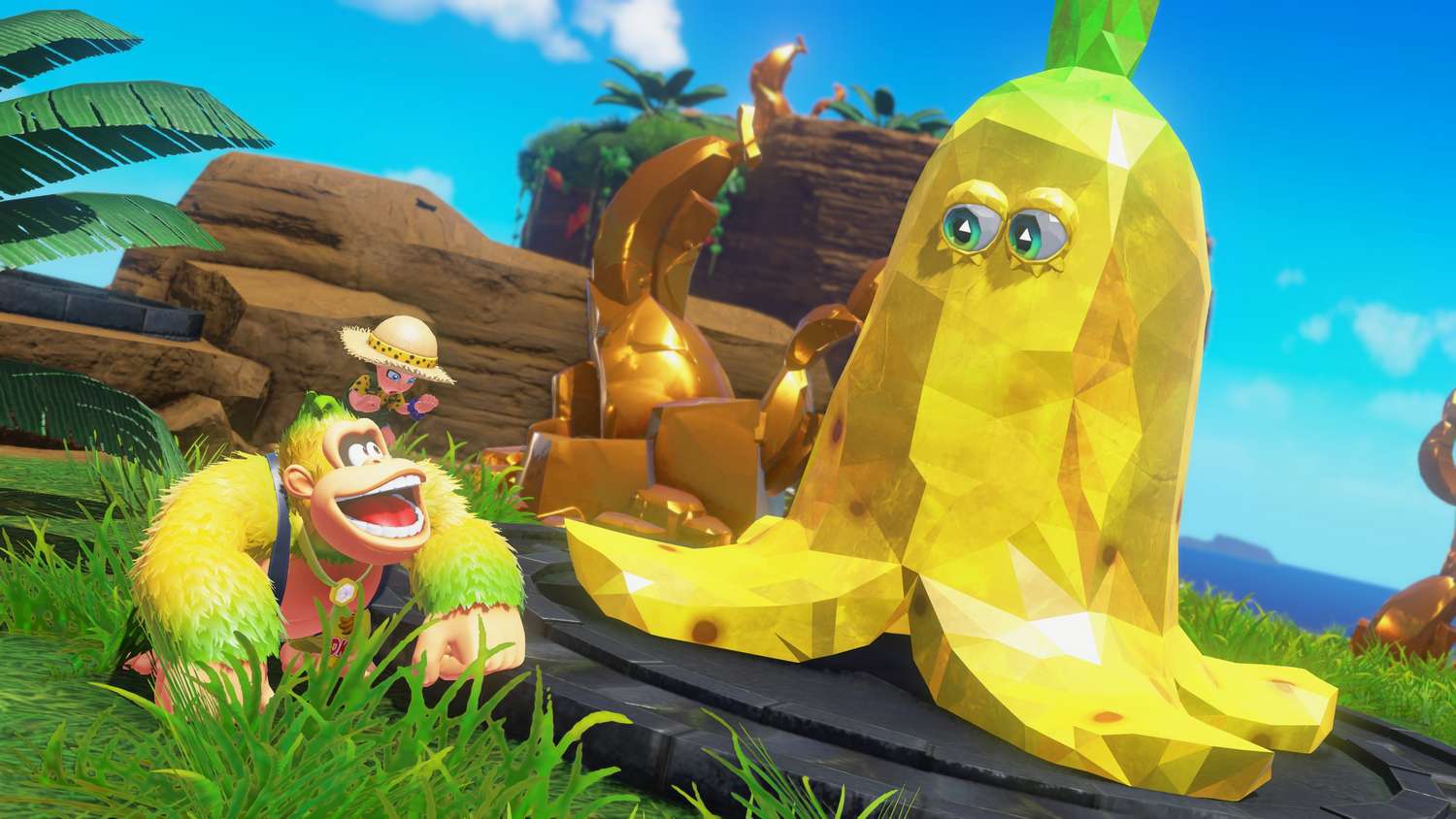 A ‘Donkey Kong Bananza’ conceived under this influence would undoubtedly represent a monumental undertaking in game development. It would require significant resources, innovative design solutions, and a willingness to reinvent core tenets of the franchise. However, the potential rewards are immense. Such a title could offer unparalleled player engagement, attract a broader audience, and significantly boost Nintendo Switch sales through its reputation as a high-quality gaming experience. The success of the recent Zelda games has raised consumer expectations for gaming innovation and immersive worlds, and other Nintendo IPs are likely to feel the pressure to deliver similarly groundbreaking experiences.
The Broader Implications for Nintendo’s Future Strategy
Beyond Donkey Kong, the seismic shift initiated by Breath of the Wild and Tears of the Kingdom signals a broader evolution in Nintendo’s approach to its first-party titles. These games have demonstrated that empowering players with tools for creativity and exploration can lead to unparalleled critical and commercial success. This strategic pivot towards greater player agency and open-ended design is not merely a trend; it represents a philosophical reorientation in how Nintendo envisions interactive entertainment. Franchises like Mario, Metroid, and even Star Fox could potentially see their established formulas re-examined through this lens, leading to exciting new directions.
The underlying message from Zelda’s success is clear: players crave freedom, deep systems, and opportunities for self-expression within richly crafted worlds. A hypothetical ‘Donkey Kong Bananza’ that leans into these principles would not just be another platformer; it would be a testament to Nintendo’s evolving commitment to pushing the boundaries of what video games can be. This signals a future where Nintendo continues to lead with bold creative choices, securing its position as a powerhouse of AAA game experiences and demonstrating a keen understanding of what drives modern player engagement and value in the competitive gaming market.
In conclusion, the transformative power of The Legend of Zelda: Breath of the Wild and Tears of the Kingdom extends far beyond Hyrule’s borders. They have forged a new path for Nintendo game design, establishing a blueprint for expansive, player-driven experiences. A future ‘Donkey Kong Bananza’ or similar revitalization of classic IPs, leveraging these profound lessons, could usher in an incredibly exciting era for fans and further solidify Nintendo’s legacy of innovation and high-quality entertainment.