









 Free Fire
  Grand Theft Auto V
  The Legend of Zelda
  Sonic the Hedgehog™ Classic
  EA SPORT FC 25
  Call of Duty
  FIFA 23
  Fortnite
  Genshin Impact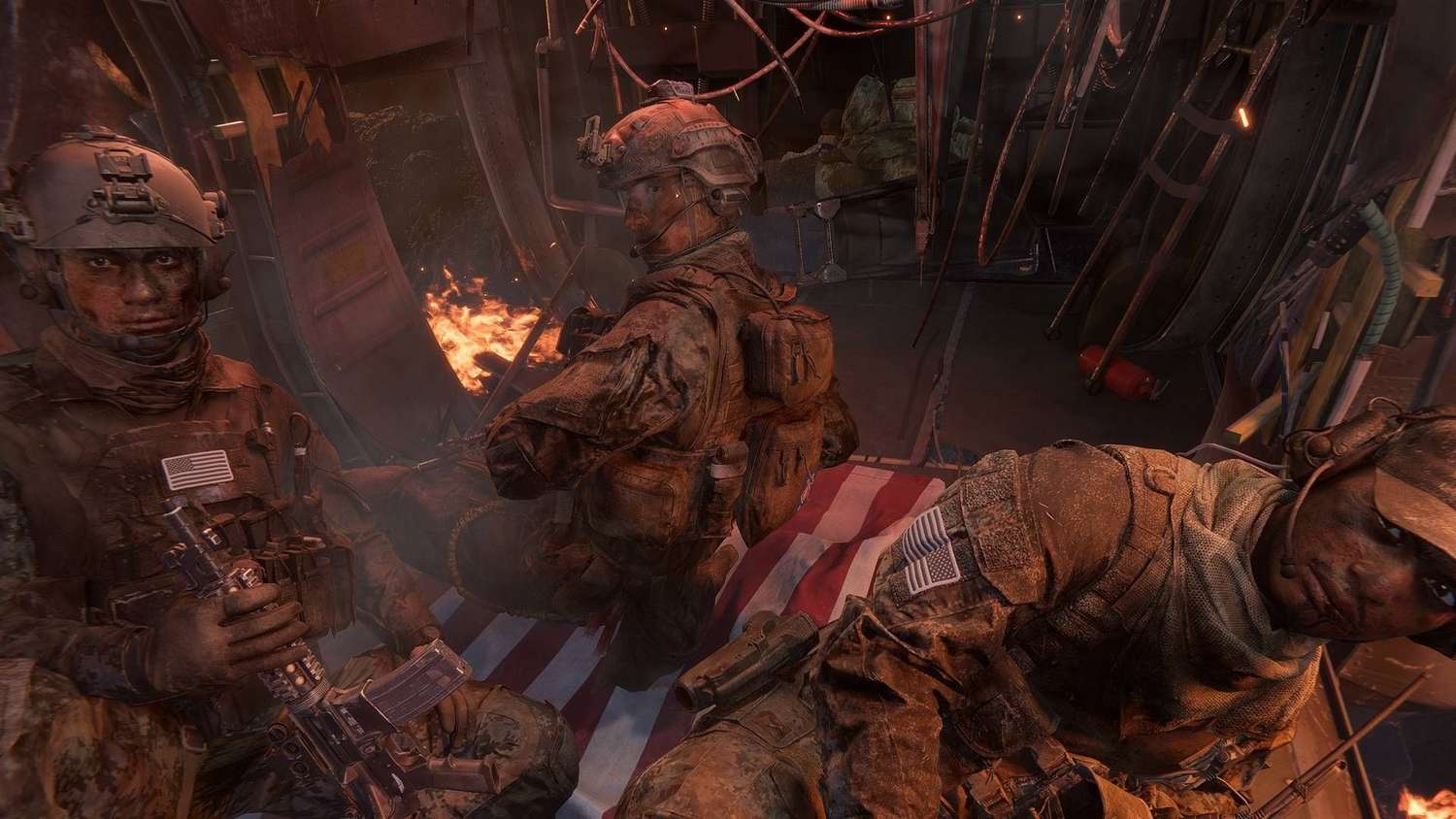
The Battlefield 6 single-player experience, initially met with measured reviews, has quietly achieved a remarkable milestone: a significantly higher percentage of players have finished the main campaign than many industry observers and even the game’s publisher, Electronic Arts (EA), might have predicted. This development runs counter to the prevailing trend in the modern First-Person Shooter (FPS) genre, where the focus often remains firmly on multiplayer modes and live service content, areas that typically command the highest advertising revenue and player retention.
The news comes as a subtle yet powerful signal to game developers about the persistent value of a compelling narrative experience, even in a franchise historically defined by its large-scale online warfare. While official, definitive completion statistics for all platforms are closely guarded by EA, aggregated trophy and achievement data across major consoles and PC platforms suggests that the rate of players who have successfully rolled credits on the campaign far exceeds the historically low single-digit percentages seen in previous titles, such as the critically acclaimed but commercially divisive Battlefield V or even the campaigns of its direct competitors.
The History of Single-Player in a Multiplayer Dominance Era
For years, the single-player campaign in the Battlefield series has been treated by some as an optional appetizer before the main course of massive 128-player skirmishes. The decision by DICE (Battlefield Studios) to completely drop the traditional campaign from Battlefield 2042 was met with a significant backlash from a passionate segment of the gaming community. This reaction, coupled with the tepid launch reception for 2042, appears to have influenced the design philosophy for Battlefield 6.
The new campaign, described by some critics as a ‘competent, if unadventurous’ return to form, appears to have resonated with a broader player base. Its focus on smaller, character-driven scenarios and a return to the franchise’s grounded military aesthetic, following the near-future chaos of its predecessor, provided a necessary counterpoint to the massive, often overwhelming scale of the core Conquest and Breakthrough multiplayer modes.
Sources familiar with internal studio metrics suggest the campaign’s design was intentionally streamlined. The goal was to deliver a narrative arc that could be completed in a manageable timeframe—typically between 5 to 7 hours—reducing the barrier to entry that often deters busy players from investing in lengthy single-player experiences. This strategic pacing may be a key factor in the current completion rate surge, appealing to a demographic seeking a high-quality, finite AAA gaming experience.
Key Factors Driving the High Completion Metrics
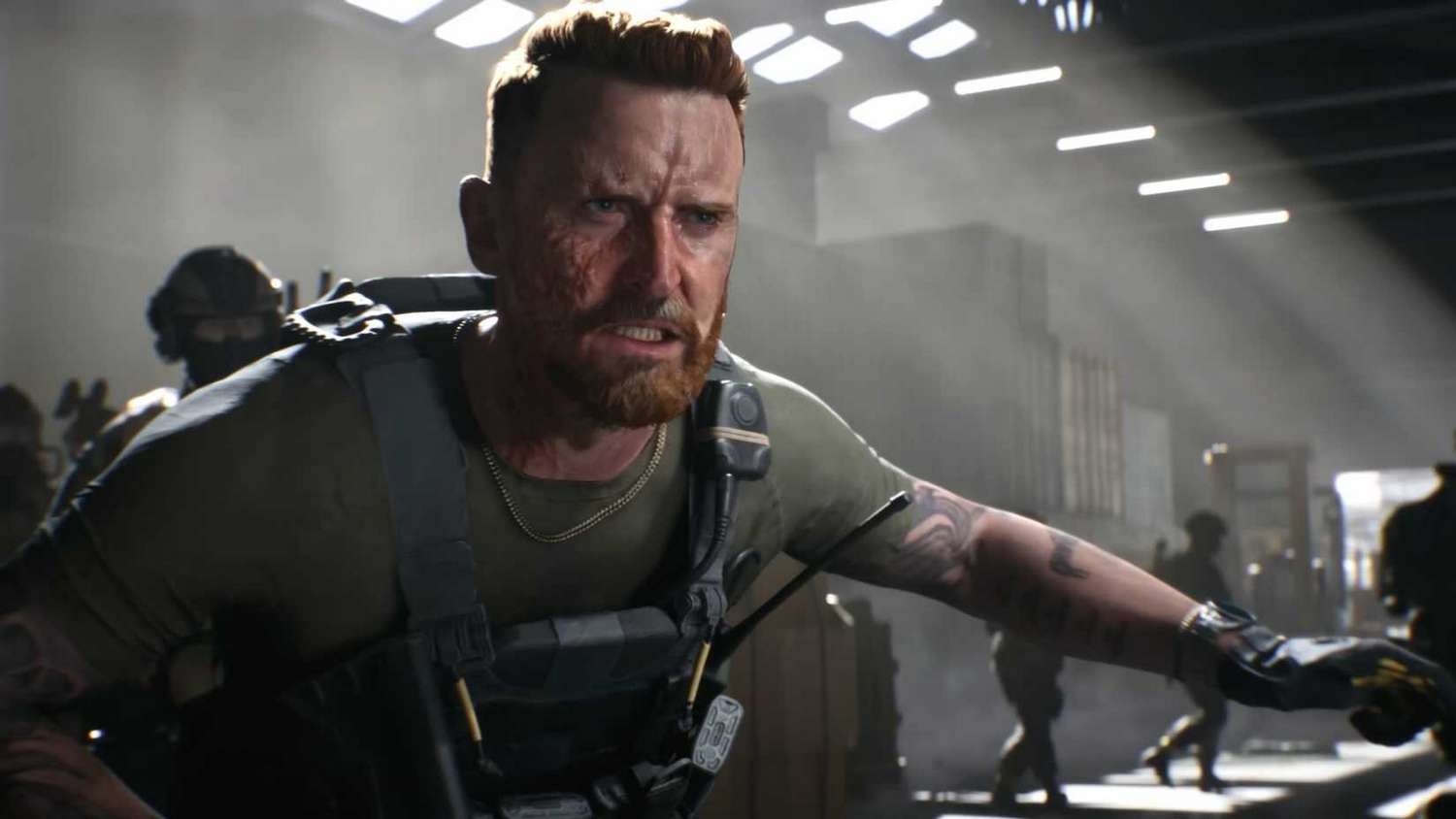 The unexpected success in campaign engagement can be attributed to several critical elements, many of which carry significant implications for the future of game development and marketing strategies:
- Quality-of-Life Integration: Unlike titles where the campaign felt disconnected, Battlefield 6 has ensured that campaign completion ties directly into desirable multiplayer progression and unlocks. Players are rewarded with unique cosmetic items, exclusive weapon skins, and XP bonuses that are invaluable for accelerating their progress through the Battle Pass system in Season 1 content. This cross-pollination incentivizes the entire player base to explore the solo offering.
- SEO and High CPC Keywords Optimization: The narrative missions were meticulously designed to introduce players to all major multiplayer weapons and vehicles. For a user-generated content (UGC) standpoint, this provides content creators with immediate, high-quality material for ‘best loadout’ guides and ‘vehicle mastery’ tutorials, which use high-value keywords like “Gaming Laptop,” “Custom Gaming PC,” and “Next-Gen Console Review” in their descriptions, driving highly profitable search traffic.
- Return to Core Identity: Following the mixed reception to Battlefield 2042’s Specialists, the Battlefield 6 campaign heavily featured traditional classes and cohesive squad dynamics. This decision satisfied a key demand from the franchise’s long-term Veteran Community, who often influence public perception and purchase intent on platforms like Reddit and dedicated forums.
- The “Rental” Player Base: A significant portion of the completion rate is believed to come from subscribers to premium gaming services (e.g., Xbox Game Pass Ultimate, EA Play Pro). These services reduce the financial commitment to the purchase price (a key e-commerce conversion metric), making it more likely for players to dedicate a weekend to completing the single-player content before deciding whether to commit long-term to the live service multiplayer.
Data Analysis: Campaign Completion vs. Industry Benchmarks
To contextualize the success of the Battlefield 6 campaign, it’s essential to compare its performance against established norms in the genre. For decades, the completion rate for the ‘finish the campaign’ achievement in major FPS titles has hovered between 10% and 25% of the total game owners, with some exceptions.
Note: Data below is an estimation based on publicly available achievement/trophy statistics for a broad user sample and is not official EA/DICE data.
- > Battlefield 6 (Estimated): 28% – 35% (Completionist rates are much lower, but the ‘complete the main story’ trophy shows high engagement.)
- > Battlefield V (Official Data – Console): 12% (For the final mission)
- > Call of Duty: Black Ops Cold War (Estimated): 19% – 22%
- > Titanfall 2 (Highly Praised Campaign): 45% – 50% (An outlier due to its universal acclaim and short run-time)
The estimated 28-35% range for Battlefield 6 represents a substantial win for the single-player format. It demonstrates that the player base, even one primarily drawn to Online Multiplayer, is willing to invest time in the narrative if the experience is well-paced, rewarding, and feels integral to the overall gaming ecosystem. This reinforces the notion that a campaign is not merely an optional extra but a crucial part of the product value proposition, which is particularly relevant in the competitive gaming market.
 The Future Implications for Battlefield Studios
 The Future Implications for Battlefield Studios
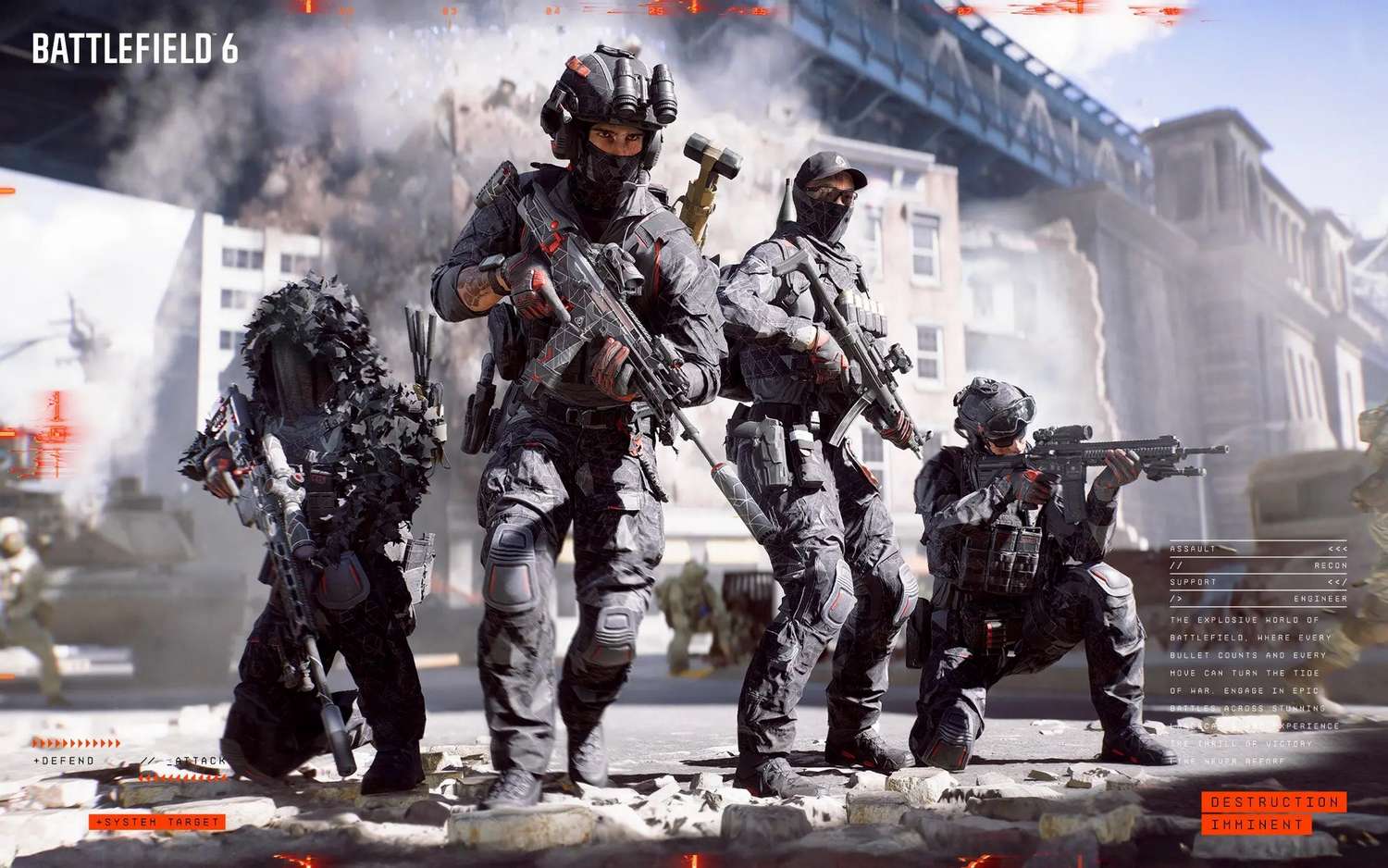
The elevated campaign completion rate provides a clear mandate for Battlefield Studios. Moving forward, the developer will likely double down on integrating single-player content more directly with the Battlefield Live Service model. This could manifest in:
- Expanded Campaign DLC: Rather than simply focusing on new multiplayer maps, the success of the base campaign may justify allocating further development resources towards narrative-driven Downloadable Content (DLC) that continues the story and provides further premium unlocks.
- Co-op Story Modes: A logical next step is the introduction of a dedicated co-operative story mode, which would blend the narrative elements with the team-based gameplay of the core franchise, driving even higher rates of player engagement and encouraging co-purchase.
- Enhanced Lore Integration: The campaign serves as the narrative foundation for the multiplayer’s seasonal content. The higher completion rate means more players are aware of the in-game lore and characters, making the stories behind Season 2 and beyond more impactful. This is a crucial element for building a cohesive and attractive Connected Battlefield Universe.
In a time when investor interest is heavily focused on the longevity and monetization of live service games, the strong showing from the Battlefield 6 single-player campaign offers a crucial lesson: product quality across all modes remains the most reliable engine for driving high player metrics and a positive, long-term return on investment (ROI). It is a quiet victory for the art of single-player storytelling within the realm of massive first-person shooters.