
Fallout 4 Next-Gen Update Rolls Out: A Deep Dive Into Performance Gains, New Content, and the PC Modding Minefield










Popular Now
 EA SPORT FC 25
NBA 2K24
Garena Free Fire: Kalahari
Poppy Playtime
Genshin Impact
EA SPORT FC 25
NBA 2K24
Garena Free Fire: Kalahari
Poppy Playtime
Genshin Impact
 Black Myth: Wukong
 Roblox
 BeamNG.drive
 Toca Boca World
Call of Duty
Toca Boca World
Call of Duty 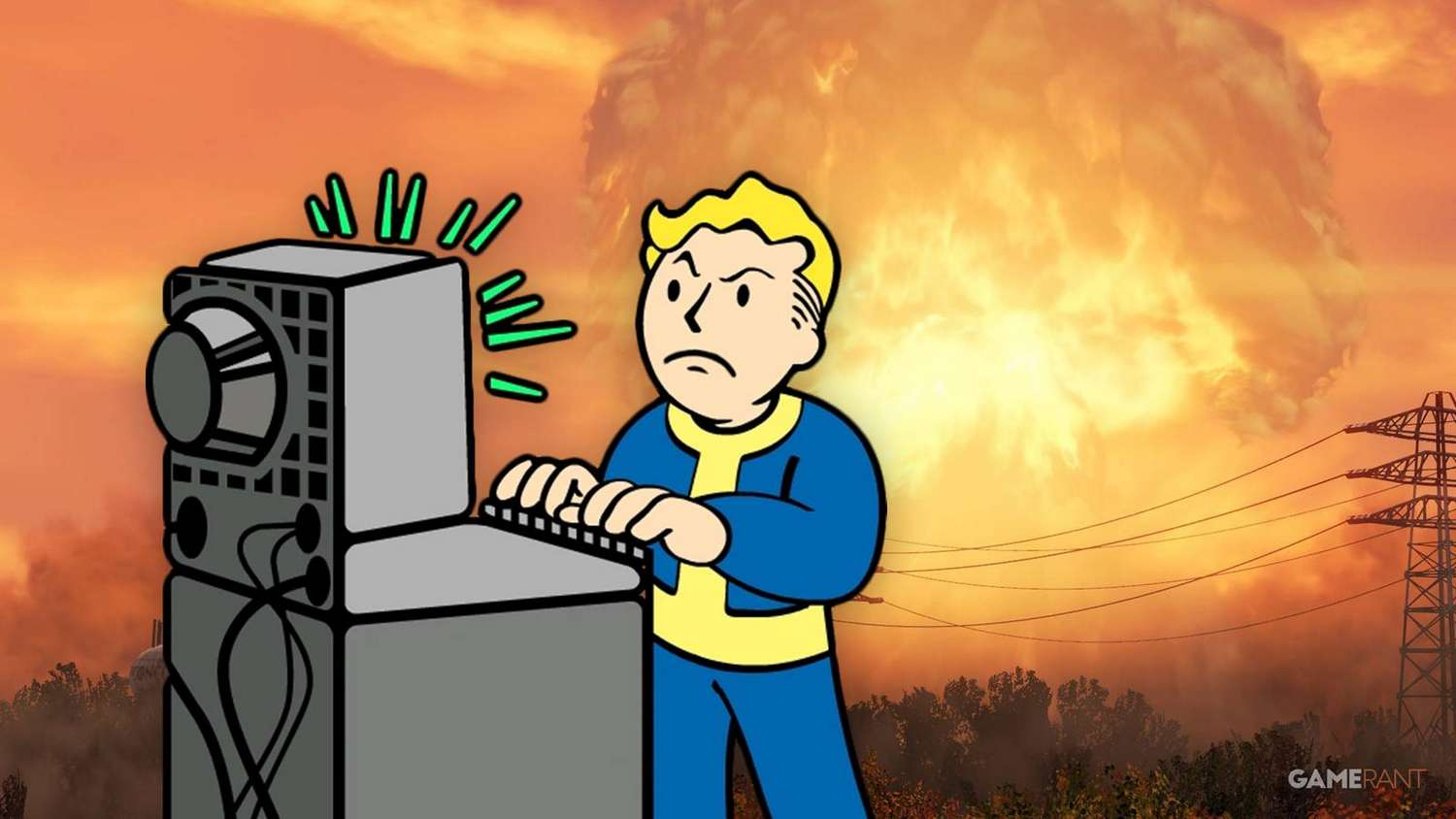
Fallout 4’s Landmark Next-Gen Update: A Tale of Two Wastelands
Bethesda Game Studios recently deployed a significant update for its critically acclaimed post-apocalyptic RPG, Fallout 4, often anticipated by the community as an unofficial ‘Anniversary Edition’ given the timing and scope. This ‘Next-Gen Update,’ released in April 2024, promised a revitalized experience for players across all platforms, particularly those on current-generation consoles. While offering substantial performance enhancements and a slew of new content, the rollout has been met with a complex reception, highlighting a stark contrast between console improvements and a challenging reality for the long-standing PC modding community.
For many, this update was a long-awaited refresh, breathing new life into a title first launched in 2015. The promise of smoother gameplay, enhanced visuals, and additional adventures fueled considerable excitement among the vast Fallout 4 player base. However, the intricacies of game development and the ecosystem built around a mod-friendly title mean that not all updates are universally lauded. This particular patch serves as a potent reminder that innovation and progress can sometimes come with unforeseen consequences, especially when a game’s foundation is deeply intertwined with player-created content.
The Dual Promise: Performance Boosts and Fresh Adventures
The core of the Fallout 4 Next-Gen Update focuses on two major pillars: technical enhancements for console players and new content accessible via the Creation Club. These additions were designed to appeal to both veterans looking for a smoother experience and newcomers seeking fresh narratives within the irradiated Commonwealth.
Console Optimization: A Glimmer of Next-Gen Glory
For PlayStation 5 and Xbox Series X/S users, the update delivers a native application, finally harnessing the power of modern hardware. This includes:
- Performance Mode: Targeting up to 60 frames per second (FPS), offering a significantly smoother gameplay experience across the vast open-world environments. This is a game-changer for combat scenarios and exploration.
- Quality Mode: Prioritizing visual fidelity, this mode aims for higher resolutions while maintaining a solid frame rate, making the dilapidated beauty of the wasteland even more immersive.
- Stability Improvements: General bug fixes and optimizations designed to reduce crashes and improve overall game stability, a common request from console players.
These console-specific upgrades are substantial, positioning Fallout 4 as a more contemporary title from a technical standpoint. The ability to explore Boston’s ruins at 60fps truly enhances the fluidity of gameplay, making looting, shooting, and traversing the landscape a more responsive and enjoyable affair. For many console gamers, this free upgrade represents significant added value, extending the replayability of an already beloved RPG.

New Content Via Creation Club: Expanding the Wasteland
Beyond the technical polish, Bethesda has also introduced a collection of new content through the Creation Club, adding fresh quests, gear, and workshop items:
- Enclave Remnants: This new questline delves into the lore of the infamous Enclave, introducing a new story, associated armor sets, and a powerful Tesla Cannon weapon. This content provides a valuable narrative expansion for those interested in the factional struggles of the post-apocalyptic world.
- Makeshift Weapon Pack: Adding a variety of unconventional weapons, this pack caters to players who enjoy improvisational combat and unique armaments. It includes items like a baseball launcher and a nail gun, offering new strategic options.
- Halloween Workshop: For the creative settlement builders, this pack provides 38 new spooky decorations and items, allowing players to inject some festive horror into their settlements.
These additions, while not a full-scale DLC, offer tangible new experiences and customization options. The Enclave Remnants questline, in particular, stands out as a noteworthy piece of content that enriches the existing Fallout 4 narrative, providing hours of engaging gameplay for fans eager to confront a familiar foe.
The Catch: A Cataclysm for PC Modding
Despite the enticing array of updates, the ‘Anniversary Edition’ excitement was severely tempered by a major setback for the game’s highly active and dedicated PC modding community. This is the ‘catch’ that has dominated discussions and drawn considerable criticism.
The Mod Apocalypse: Why Your Favorite Mods Broke
The Fallout 4 Next-Gen Update fundamentally altered the game’s executable (EXE) file. This seemingly minor technical change has catastrophic implications for most community-made modifications, especially those that rely on the Fallout 4 Script Extender (F4SE). F4SE is a crucial backbone for thousands of complex and popular mods, from intricate gameplay overhauls and new questlines to essential bug fixes and quality-of-life improvements.
When the game’s EXE is updated, F4SE (and by extension, all mods that depend on it) breaks, requiring the F4SE developers to re-engineer their tool for the new version. This process can take weeks or even months, leaving a vast number of players with non-functional saves and a severely diminished game experience. Key impacts include:
- Broken Save Files: Many players found their modded saves unplayable or corrupted due to missing mod dependencies.
- Loss of Functionality: Essential mods that fix long-standing bugs, improve UI, or add critical gameplay features ceased to work.
- Community Frustration: Mod authors and users expressed significant frustration, as the update was pushed without clear communication about its impact on the modding scene, forcing many to revert to older game versions or abandon their playthroughs.
The update essentially created two separate versions of Fallout 4 for PC players: the vanilla updated version and the legacy modded version. This fragmentation has caused considerable dismay, highlighting Bethesda’s recurring challenge in balancing official updates with the thriving, yet fragile, modding ecosystem that often extends the longevity and appeal of their titles exponentially. For an RPG like Fallout 4, where player agency and customization are paramount, disrupting the modding landscape is akin to removing a core feature for a significant portion of its dedicated audience.
The Widescreen and Stability Silver Lining for PC
It’s not all doom and gloom for PC players. The update did introduce official widescreen support, a welcome addition for those with ultra-wide monitors. Furthermore, the general bug fixes and stability improvements also apply to the PC version, offering a smoother vanilla experience. However, for a community where ‘vanilla’ is often a starting point for extensive modification, these benefits are often overshadowed by the modding disruption.
Analyzing the Fallout: Player Expectations vs. Developer Intentions
The Fallout 4 Next-Gen Update vividly illustrates the delicate balance between refreshing an older title and catering to an established community. On one hand, Bethesda delivered a much-needed technical facelift for consoles, ensuring the game remains viable on current hardware and attracts new players. The new Creation Club content, while not massive, adds genuine value and aligns with Bethesda’s model for curated, developer-sanctioned additions.
On the other hand, the handling of the PC update demonstrates a continued disconnect with the intricate world of community modding. While developers are not obligated to ensure mod compatibility, the profound impact on a core aspect of Fallout 4’s appeal—its moddability—raises questions about communication and foresight. Many players feel that a more gradual rollout, perhaps with an opt-in beta branch or clearer warnings, could have mitigated some of the community’s frustration.
This situation also reignites debates around the ‘Anniversary Edition’ moniker. While not officially called such, the scale of updates and inclusion of new content led many to associate it with comprehensive celebratory editions seen in other titles. For some, the update fell short of true ‘Anniversary Edition’ expectations, primarily due to the paid nature of some new content (even if free to existing owners) and the modding crisis.
The Road Ahead: Rebuilding the Commonwealth’s Digital Fabric
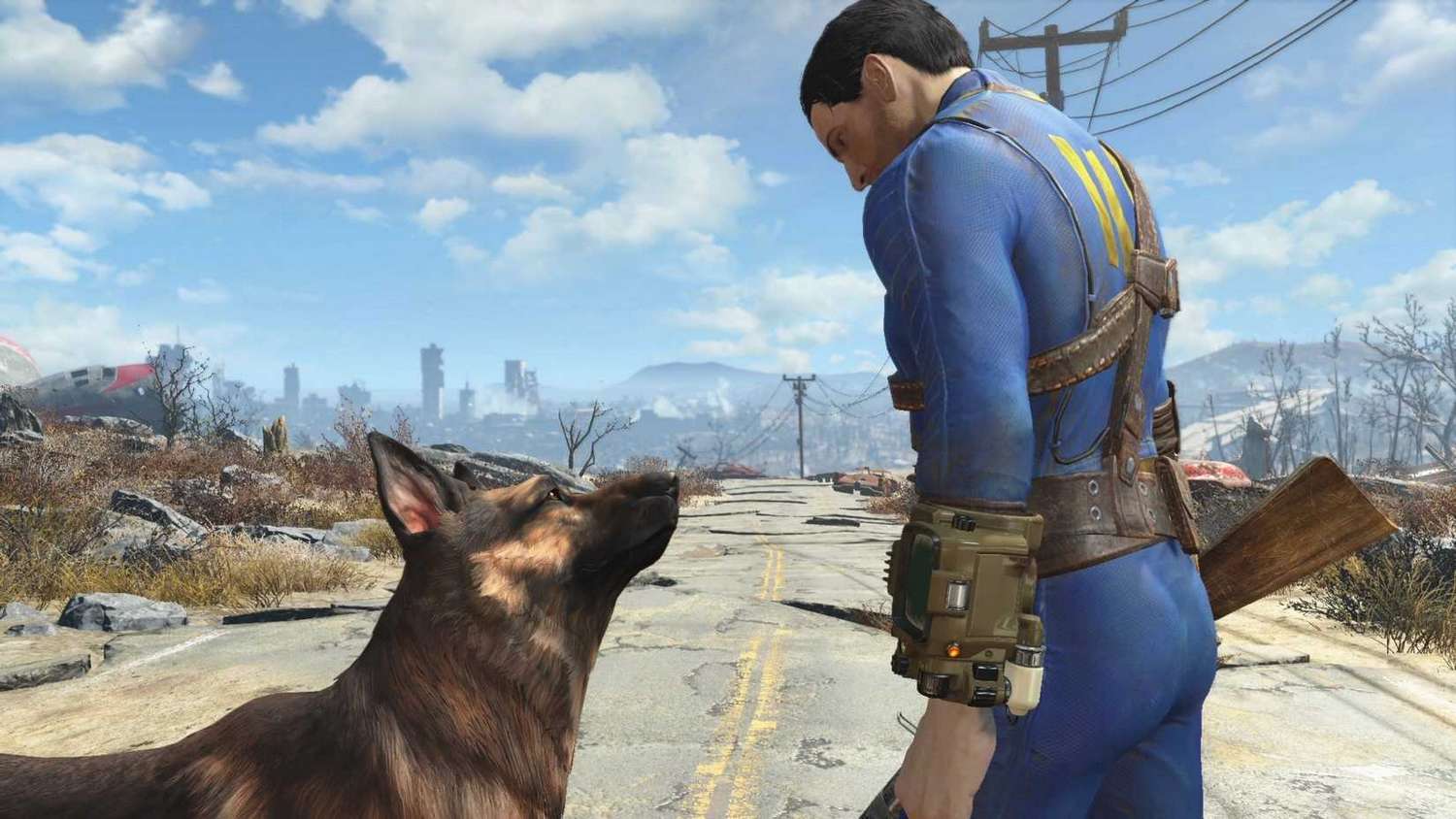
The future for Fallout 4 after this update is multifaceted. For console players, especially those on PS5 and Xbox Series X/S, the game is arguably in its best technical state yet, offering a compelling reason to revisit the wasteland or experience it for the first time. The new content provides fresh hooks and extends playtime, making the game a stronger contender in the crowded market of RPGs.
For the PC modding community, it’s a period of reconstruction. Mod authors, out of passion and dedication, are already working tirelessly to update F4SE and other essential tools. Over time, many popular mods will likely be updated, but the process is slow and introduces a barrier to entry for casual mod users. This event serves as a stark reminder of the fragile dependency between game updates and the modding infrastructure, prompting discussions about futureproofing and better developer-community collaboration.
Ultimately, the Fallout 4 Next-Gen Update is a complex package. It represents a significant commitment from Bethesda to maintain and enhance one of its flagship titles, delivering meaningful improvements and content. However, the costs incurred by the PC modding community underscore the intricate challenges of updating a beloved, heavily modded game. As the dust settles, the wasteland continues to evolve, sometimes for the better, sometimes with unforeseen consequences, but always with the resilience of its dedicated player base at its core.