
Rockstar Games Faces Scrutiny After Staff Terminations Ahead of GTA 6 Launch – Allegations of Union-Busting Surface










Popular Now
 Genshin Impact
 Poppy Playtime
 EA SPORT FC 25
 Brawl Stars
 Minecraft
 Rust
Rust
 The Legend of Zelda
 God of War Ragnarök
Call of Duty
Stumble Guys
God of War Ragnarök
Call of Duty
Stumble Guys 
The highly anticipated release of Grand Theft Auto VI (GTA 6) is already one of the most significant events in the video game industry, promising record-breaking sales figures and setting a new benchmark for open-world games. However, the buzz surrounding the game’s development has recently been overshadowed by serious internal controversy. Rockstar Games, the celebrated developer, has confirmed the termination of dozens of employees across its UK and Canadian offices, a move that has sparked immediate and heated debate regarding workplace culture and labor rights within the multi-billion dollar studio.
The Terminations and Conflicting Claims: Gross Misconduct vs. Union Activity
Reports, notably from industry journalists and news outlets (including sources cited by Bloomberg and GamesRadar+), indicate that Rockstar Games dismissed between 30 and 40 staff members. The timing, just months before the expected May 2026 release date of GTA VI, has amplified the severity of the situation. The core of the controversy lies in the starkly opposing reasons given by the company and an influential workers’ union.
- The Corporate Stance: Take-Two Interactive, Rockstar’s parent company, has publicly defended the firings, asserting that the employees were terminated due to “gross misconduct” and “for no other reason.” A spokesperson for Take-Two stated that they “fully support Rockstar’s ambitions and approach,” but declined to provide specific details regarding the nature of the alleged misconduct.
- The Union’s Allegations: The Independent Workers’ Union of Great Britain (IWGB) has vehemently refuted the company’s claim, labeling the firings as a “ruthless” act of “union busting.” The IWGB alleges that all affected employees were either members of the union or actively involved in discussions about unionizing within a private online group. The union claims the dismissals were unlawful and retaliatory, stating that the action shows “flagrant contempt for the law and for the lives of the workers who bring in their billions.”
Impact on GTA 6 Development and Security Concerns
The firings come at a critical juncture in the GTA 6 development cycle, which has been previously marked by intense scrutiny regarding production timelines, security breaches, and internal work conditions. The industry has been rife with speculation about the company’s true motivations, with two main theories emerging:
- Security Crackdown: Given the massive Grand Theft Auto VI leak in 2022, which saw early footage released online, many analysts suggest the firings could be part of an aggressive internal crackdown on potential leaks. This theory aligns with Rockstar’s controversial 2024 mandate requiring employees to return to the office full-time, which the company justified partly on grounds of enhanced security protocols for the game’s final stages. High-value IP protection is a major concern for any AAA title with a potential revenue stream of billions of dollars.
- Workplace Culture Scrutiny: The IWGB’s claims bring the long-standing debate over the gaming industry’s grueling work culture—often referred to as “crunch culture”—back into the spotlight. Critics argue that the firings are a direct response to organized labor activity, which seeks to secure better developer working conditions, fairer compensation, and an improved work-life balance. This situation highlights the growing tension between the drive for maximum profit margins and the demands for equitable treatment of creative staff.
The Broader Implications for the Gaming Industry
This event transcends the singular title of GTA 6. It is indicative of a wider, ongoing struggle for workers’ rights across the entire global games industry. The Independent Workers’ Union of Great Britain has vowed to legally challenge the terminations, stating, “We will fight for every member to be reinstated.”
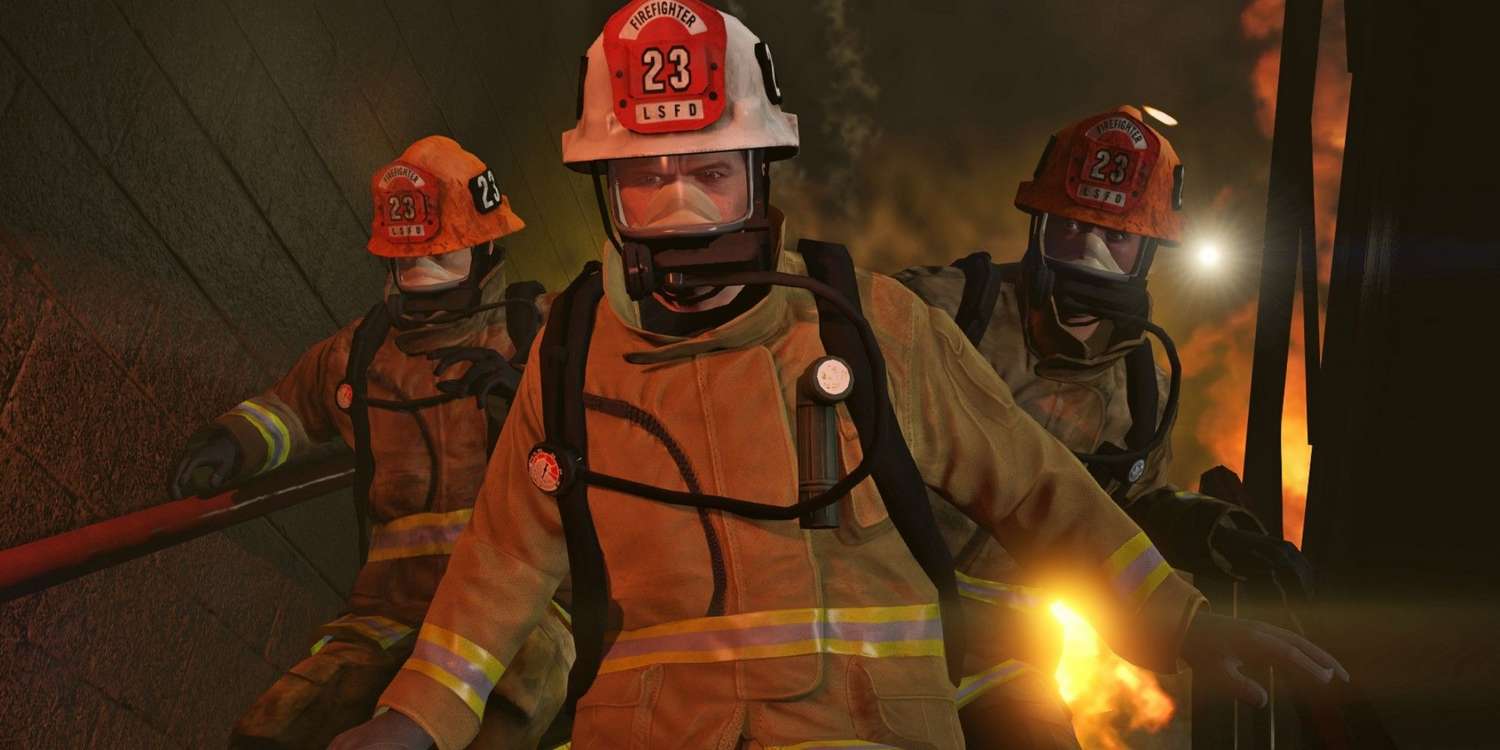 The outcome of this dispute could set a significant legal and cultural precedent. If the union’s claims of unlawful termination and union suppression are substantiated, it could embolden other workers in the sector to organize. Conversely, a victory for the corporation could reinforce existing power structures, making it more challenging for developers to advocate for their rights. The controversy poses a serious question for the industry’s ethical practices, contrasting the massive consumer demand and publisher valuation with the human cost of producing these blockbuster experiences.
Key Takeaways:
- Rockstar Games faces formal union accusations of firing GTA 6 staff for organizing.
- Take-Two Interactive maintains the dismissals were due to “gross misconduct”.
- The dispute underscores industry tensions over labor unions, workplace security, and intense game development cycles.
- The resolution will be closely watched by developers, unions, and investors alike, given its potential to influence future employment policies and the overall stability of AAA game production.
The situation remains fluid, with the IWGB preparing legal action. Consumers and the gaming community are keenly monitoring developments, recognizing that the internal health of a studio like Rockstar Games directly influences the final quality and longevity of one of the most anticipated releases in history.
A Deeper Dive into Rockstar’s History of Work Controversy
The current situation is not an isolated incident for the developer of the highly profitable Grand Theft Auto series. Rockstar Games has a documented history of facing scrutiny regarding its internal labor practices, contributing to a broader conversation about ethical game development and the pressure associated with delivering a massive entertainment product like GTA VI.
The Legacy of ‘Crunch Culture’
The term “crunch culture”—a period of excessively long working hours, often unpaid, leading up to a major deadline—has long been associated with the development of major Rockstar titles. The launch of Grand Theft Auto V and the critically acclaimed Red Dead Redemption 2 were both accompanied by reports detailing instances of intense and unsustainable overtime. While reports in 2022 suggested the company was actively trying to reform its work environment to a more sustainable model, this current controversy suggests that deep-seated tension remains.
- The Pre-Launch Pressure: As GTA 6 approaches its projected release window in May 2026, the pressure on all staff—from programmers and artists to quality assurance (QA) testers—intensifies. The gaming public expects a flawless, revolutionary product, and this expectation often translates into immense organizational pressure.
- QA and Support Roles Affected: Notably, the employees reportedly fired included roles across Quality Assurance and support. QA testers, in particular, are often on the frontline of ‘crunch’ and have been a driving force behind unionization efforts across the industry, seeking better job security and fair wages.
The Return-to-Office Mandate: A Precursor to Current Events?
Earlier in 2024, Rockstar Games mandated a full, five-day return to the office for all staff, reversing previous flexible work arrangements. The company cited the need for enhanced productivity and stronger security to prevent further leaks of the valuable GTA 6 content. This decision was met with immediate criticism by the IWGB and many staff members, who expressed concerns over the impact on morale, mental health, and the potential for a return to heavy ‘crunch.’ The union argued the decision contradicted earlier promises of flexibility.
Connecting the Dots: The current mass firings, which the union alleges targeted organizing employees, can be viewed through the lens of a company tightening its control over its workforce in the crucial final stages of development. The demand for physical presence (Return-to-Office) and the subsequent dismissal of employees involved in labor discussions (Union-Busting Allegations) suggest a pattern of prioritizing absolute operational control over employee welfare in the lead-up to the game launch.
 The Legal Battle and Future Precedent
 The Legal Battle and Future Precedent
The Independent Workers’ Union of Great Britain is preparing to utilize UK employment law, which offers some protection for employees engaging in trade union activities. The union’s stated goal is the reinstatement of all dismissed members and securing interim relief for those who face immediate hardship, such as visa holders or those reliant on workplace healthcare schemes.
The Stakes are High:
- For the Employees: A successful legal challenge could ensure job security and affirm the right to organize without fear of retaliation, impacting the long-term career prospects of these game developers.
- For Rockstar/Take-Two: A finding of unlawful dismissal would damage the brand’s public relations, potentially impacting investor confidence, and could lead to significant financial and legal penalties. It would also set a precedent against aggressive anti-union tactics in a sector increasingly turning toward collective bargaining.
- For the Industry: The outcome will be closely analyzed by every major gaming company and its associated labor groups, defining the acceptable boundaries of corporate response to worker organization. It directly affects the ongoing discourse around how to best deliver high-quality content while maintaining corporate social responsibility.
The narrative surrounding the creation of GTA 6 is now inextricably linked to this controversy. While the game itself is expected to deliver a profound and immersive gaming experience—likely set to redefine next-gen graphics and narrative depth—the human story behind its development continues to highlight the complex challenges of labor in the modern global video game industry.
Next Steps in the Controversy
All eyes are now on the legal proceedings and any further statements from Take-Two Interactive or the IWGB. The gaming world awaits clarity on the impact of these terminations on the final stages of Grand Theft Auto VI’s development and whether this controversy will lead to a fundamental shift in developer-publisher relations.