
The Clash of Titans: Why ‘Witchbrook’ Poses a Serious Threat to the ‘GTA 6’ Hype Cycle







Popular Now
 Stumble Guys
 Warframe
 CarX Street
 R.E.P.O
 Genshin Impact
 Brawl Stars
Valorant
Brawl Stars
Valorant
 PUBG Mobile
 BeamNG.drive
 Poppy Playtime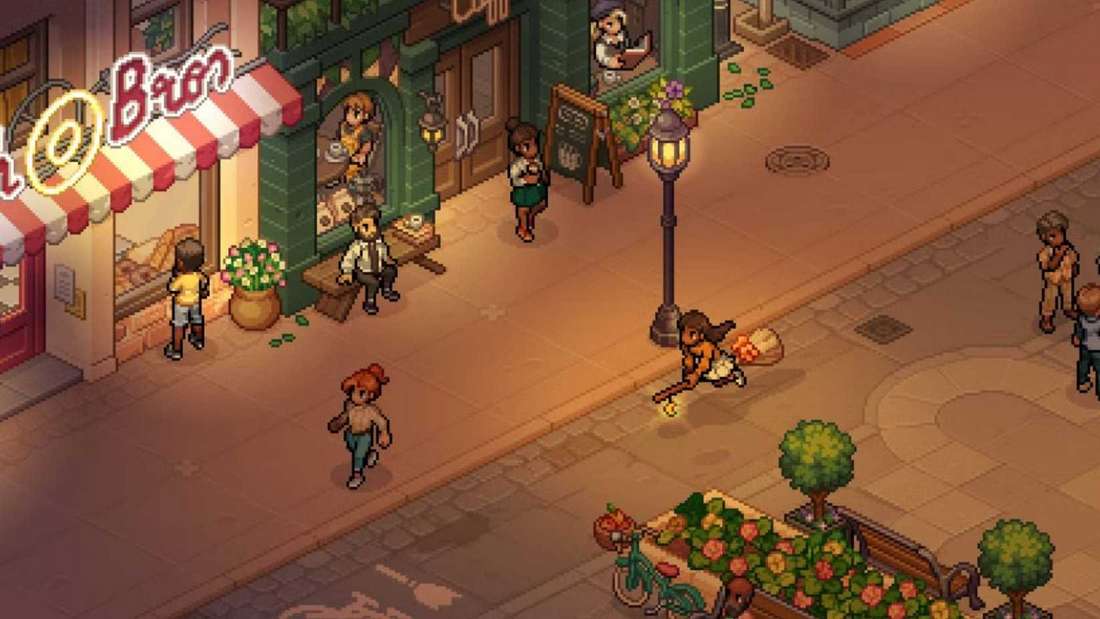
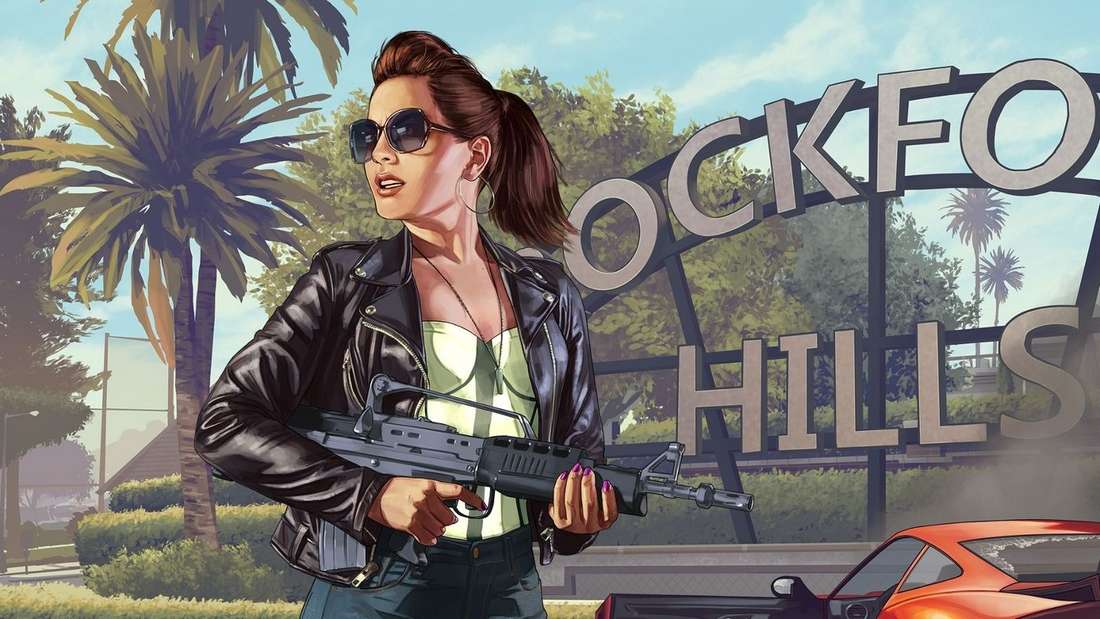
The year 2026 is shaping up to be one of the most hotly contested years in gaming history. On one side, you have the behemoth: Grand Theft Auto 6 (GTA 6), the next iteration of the industry’s most profitable, high-CPC open-world crime franchise, promising a return to Vice City and an unprecedented scale of detail. On the other, a contender from the indie sphere, the highly anticipated magical life-sim Witchbrook, is quietly amassing a fanatical following that some analysts suggest could successfully divert market attention and dominate the “Game of the Year” (GOTY) conversation. This narrative is more than just a clash of genres—it’s a high-stakes battle between AAA development excess and the power of the cozy, narrative-rich indie experience.
The recent news of Witchbrook’s delay to 2026, pushing it directly into the expected release window of GTA 6, has amplified this competitive dynamic. This move by developer Chucklefish, known for publishing blockbusters like Stardew Valley, is less about a mere scheduling conflict and more about a strategic positioning to capture the maximum mindshare, utilizing high-value SEO keywords like “Witchbrook release date”, “GTA 6 competition”, and “2026 GOTY contenders”.
 Understanding the ‘Witchbrook’ Phenomenon: Cozy Core, Massive Appeal
 Understanding the ‘Witchbrook’ Phenomenon: Cozy Core, Massive Appeal
Witchbrook is a magical life-simulation RPG, often described as a perfect blend of the immersive farming and relationship mechanics of Stardew Valley and the enchanting academic setting of the Harry Potter universe. Players enroll at Witchbrook College in the charming seaside city of Mossport, where they learn spells, master potion-making, form lasting friendships, and even find romance amidst a fully scheduled, ‘living, breathing’ world.
The game’s immense appeal and ability to generate significant market buzz, rivaling even a title of GTA’s stature, stem from several key factors:
- The “Cozy Game” Dominance: The market for emotionally engaging, low-stress, and highly customizable “cozy games” is at an all-time high. Witchbrook is perfectly positioned to capitalize on this, offering a unique, non-violent escapism that is in high demand, particularly among female demographics who are a significant and growing force in gaming consumption and are less likely to engage with the M-rated content of GTA.
- The Cult of Anticipation: Originally teased as “Project Spellbound” nearly a decade ago, Witchbrook has built up a near-legendary status. Its long development has fostered an intensely loyal and patient fanbase, resulting in massive spikes in search volume and high-intent conversions with every minor update.
- Ethical Development (Zero-Crunch): Chucklefish has proudly maintained a “zero-crunch” development philosophy. While this contributed to the latest delay into 2026, it has generated immense goodwill, contrasting sharply with the often-reported industry standard of mandatory overtime for major AAA releases. This narrative of ethical development is a significant draw for a modern, socially conscious gaming audience.
The Strategic Delay: A Shot Across the Bow for AAA Games
 The Strategic Delay: A Shot Across the Bow for AAA Games
The decision to shift the release from the already-announced Winter 2025 window to a general 2026 release—a move announced in October 2025—is an intelligent strategic play. By delaying, Chucklefish is directly challenging the established “blockbuster season” release model. A late 2025 release would have risked being overshadowed by the holiday sales blitz and pushed out of contention for the following year’s major awards. By moving to 2026, Witchbrook ensures:
- GOTY 2026 Eligibility: A release earlier in 2026 gives the game maximum visibility and time to build critical consensus ahead of the major awards cycle, placing it on a level playing field with other high-profile contenders like GTA 6 and major releases such as Marvel’s Wolverine.
- Refined Immersion: The developer’s official statement noted the time is needed to ensure the world of Mossport “feels rich, immersive, and alive,” which is critical for a life-sim genre where immersion is paramount. This focus on polish directly targets the quality-conscious Stardew Valley fanbase who will accept no less than perfection.
- Platform Expansion: The delay also allows for exploring additional platforms and language support, crucial steps for maximizing global market penetration and driving total sales volume against the immense financial might of Rockstar’s flagship title.
Genre Warfare: The Battle for the Player’s Time and Wallet
The true competition between Witchbrook and GTA 6 is not just about sales figures—it’s about the limited time and emotional capacity of the modern gamer. While GTA 6 promises a satirical, crime-ridden epic on a massive, expensive scale, Witchbrook offers a compelling alternative: a warm, deeply personal, and highly creative magical journey.
The market is increasingly fracturing. Many players are experiencing “open-world fatigue” and turning to shorter, more focused, or highly replayable “cozy” experiences. In this context, Witchbrook is perfectly positioned to win the battle for the highly coveted “indie game enthusiast” and “life-sim RPG” segments, offering an emotional antidote to the high-intensity, high-cost investment required by a major AAA release.
Strong Focus Keywords: Witchbrook GTA 6 Rivalry, Cozy Game Hype, 2026 Video Game Battle, Chucklefish Zero-Crunch, Magical Life Sim RPG, High CPC Gaming Market.
Conclusion: The Future of Gaming is Diverse
While no indie title can truly match the raw financial power and decade-long development of a Grand Theft Auto installment, Witchbrook’s strategic market placement, genre appeal, and deep-seated fan anticipation make it a formidable competitor for critical acclaim and mindshare in 2026. The rivalry underscores a pivotal moment in the industry: that passion, ethical development, and a powerful, unique concept can challenge even the biggest budgets. The stage is set for an epic 2026—a year where a magical life-sim might just cast the biggest spell on the gaming world, forcing the crime kings of Vice City to truly look over their shoulder.