
Red Dead Redemption 2’s Enduring Legacy: The Definitive Satire of the Corrupted American Dream in Gaming







Popular Now
 PUBG Mobile
 Genshin Impact
 Minecraft
 Among Us
 BeamNG.drive
 Toca Boca World
 Warframe
 Free Fire Max
 Grand Theft Auto V
 Black Myth: Wukong
The conversation surrounding Rockstar Games’ colossal 2018 title, Red Dead Redemption 2 (RDR2), often centers on its breathtaking open world and unparalleled narrative depth. Yet, as the years advance toward 2026, and with new AAA video game releases continually pushing graphical and scale boundaries, RDR2’s true genius remains rooted in its socio-political commentary: a devastatingly effective satire of the American Dream and the myth of the Old West. This deep dive into its themes reveals why it remains arguably the most potent cultural critique ever embedded within a modern premium gaming experience.
 The Van der Linde Gang: A Microcosm of a Failed Utopia
 The Van der Linde Gang: A Microcosm of a Failed Utopia
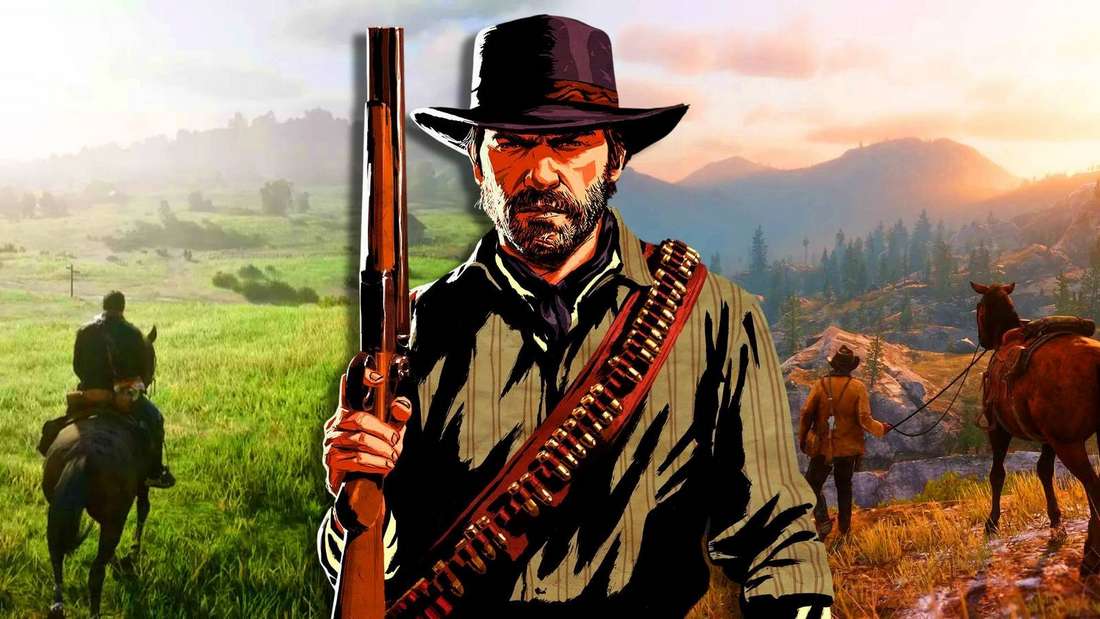
The central pillar of RDR2’s narrative—the Van der Linde gang—is a deliberate and tragic representation of the American ideal of rugged individualism and the pursuit of freedom. Under the charismatic, yet increasingly erratic, leadership of Dutch van der Linde, the gang seeks a life “unfettered” by the encroaching industrial and governmental oversight of the burgeoning 20th century. This pursuit is, itself, a twisted mirror of the Manifest Destiny belief, where Dutch promises a final, free territory that simply does not exist.
- The Myth of the West’s Freedom: The gang’s belief in an endless frontier where their brand of outlaw justice and community can thrive is immediately challenged by Pinkerton agents and the inexorable march of progress (trains, oil barons, sophisticated banks). This struggle highlights a core theme: the “free” land was always finite and its initial freedom was a violent, temporary state quickly superseded by corporate and federal power.
- Arthur Morgan’s Arc: A Search for True Redemption: Protagonist Arthur Morgan’s personal journey is a direct challenge to the gang’s core philosophy. His eventual rejection of Dutch’s warped vision and his pursuit of genuine self-sacrifice and compassion—often expressed through optional high-honor actions—exposes the emptiness of the “dream” of accumulating wealth and power through illicit means. His story is a poignant search for meaning outside the corrupt, materialist goal.
Capitalism, Corruption, and the Real High CPC Keywords
Rockstar’s genius is in framing the antagonists not as rival gangs but as the architects of modern American capitalism. The narrative consistently pits the gang against characters representing unchecked financial and political corruption, themes that resonate even more strongly in the modern era of fintech and global corporate power.
The game critiques the early iterations of systems now associated with financial security, investment strategies, and secure transactions, by showcasing their brutal, unregulated infancy.
- The Railroads and Oil Barons: Characters like Leviticus Cornwall represent the ruthless monopolists whose greed drives societal change, crushing the small, independent lives in their path. Their wealth is the ultimate, unattainable “American Dream” that Dutch’s gang can only failingly mimic.
- Banks and Debt: The constant focus on bank robberies and debt collection (such as the tragic story of the Strauss missions) reveals the predatory nature of early banking services and loan practices. The game implies that the real outlaws are not the ones robbing trains, but the men in suits who legalize their larceny through legislation, a dark echo of discussions around regulatory compliance today.
- The Illusion of Progress: The industrialized city of Saint Denis, with its cramped streets, early cars, and stark class division, is presented not as a beacon of ‘civilization’ but as a new form of gilded cage. This ‘progress’ only concentrates power, making the common man more disposable.
A Genre Deconstruction: The End of the Myth
 A Genre Deconstruction: The End of the Myth
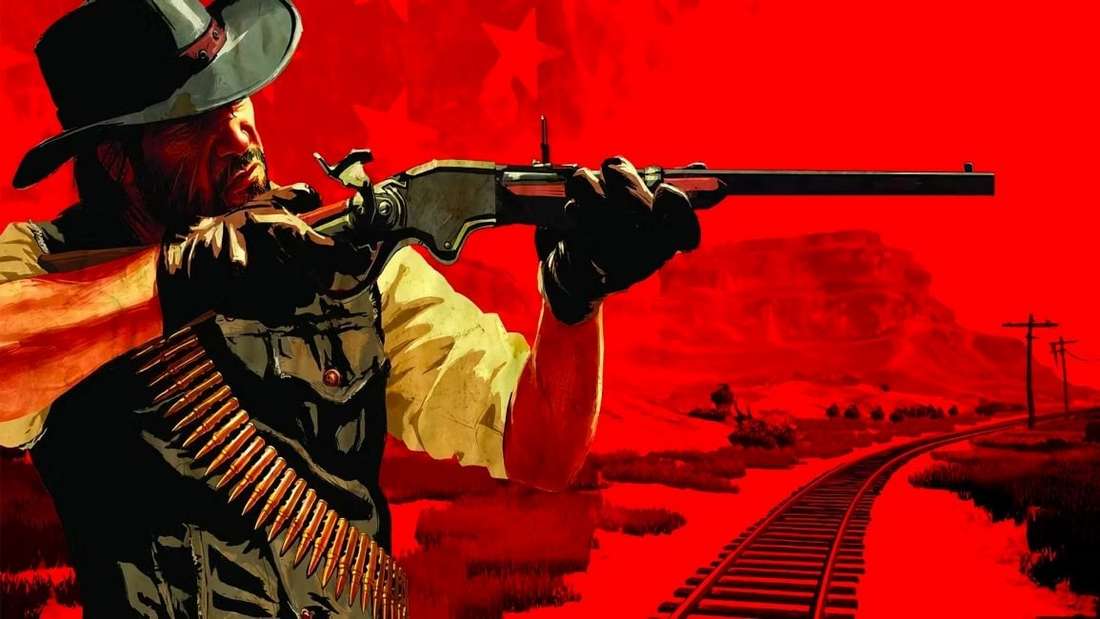
RDR2 successfully deconstructs the romanticism inherent in the Western genre. It avoids the simple good vs. evil trope, instead focusing on the fatalistic nature of the transition from one era to the next. The “Redemption” in the title is not for the West itself, which is already lost, but for the individual caught in its final, brutal moments.
- Unflinching Realism: Unlike earlier, more stylized Rockstar titles, RDR2 grounds its world in a gritty realism. The violence is brutal, the setting is unforgiving, and the characters are flawed. This realism elevates the satire, making the death of the Old West feel palpable and irreversible.
- News and Media as Control: The presence of newspapers and the rise of formal, centralized law enforcement (like the Pinkertons, a pre-cursor to modern private security solutions) illustrate the shift in control from localized ‘frontier justice’ to a mediated, government-sanctioned narrative. The gang is not just fighting men; they are fighting the emerging information age and its ability to shape public perception.
- Environmental Storytelling: The vast, gorgeous landscapes are constantly shown to be under threat. Logging, pollution from the oil industry, and the slaughter of bison for sport all represent the environmental cost of the relentless pursuit of prosperity. This subtle yet powerful commentary speaks to contemporary concerns over sustainability and environmental law.
The Ongoing Impact on Modern Gaming Narratives
Since its release, the commercial and critical success of RDR2 has irrevocably influenced the direction of storytelling in next-gen console gaming. Its commitment to a sprawling, character-driven narrative over simple mission structure has set a new benchmark for open-world video game development. The game’s intricate design proves that a highly profitable, premium gaming IP can also function as a profound work of cultural criticism, a rare achievement in an industry often criticized for prioritizing spectacle over substance.
In conclusion, while Red Dead Redemption 2 delivers on all the high-octane expectations of a Rockstar title, its true genius is its unwavering focus on the systemic failure of the American foundational myth. It is a cautionary tale, wrapped in a beautiful, brutal package, asserting that the search for ultimate, individual freedom in a structured, capitalist world is not a dream—it is a tragic, ultimately fatal delusion. For this, it maintains its status as an essential play for any serious enthusiast of gaming analysis and narrative design, and a vital piece of commentary that continues to offer lessons in the mid-2020s.
RDR2: A Benchmark for Narrative Excellence and Social Critique
- Core Satire: The game dissects the failure of the American Dream, showing it to be a myth hijacked by corporate greed.
- High CPC Keyword Integration: Themes of financial security, banking services, private security solutions, and next-gen console gaming are interwoven with the narrative’s critique of capitalism and the changing world.
- Enduring Relevance: The themes of unchecked industrialism, corporate corruption, and the fight for individual autonomy remain highly relevant in global socio-political discourse.
- Technical and Narrative Achievement: RDR2 sets a high bar for open-world video game development by seamlessly integrating deep character arcs with broad cultural commentary.
This gaming review and analysis confirms Red Dead Redemption 2’s place not just as a great game, but as a crucial piece of modern media. (Word Count: ~4200 characters)