
Petit Planet vs. Animal Crossing: Is HoYoverse the New Cozy King? The Indie Challenger That’s Poised to Dominate Nintendo’s Niche










Popular Now
 Minecraft
 Candy Crush Saga
Call of Duty
Candy Crush Saga
Call of Duty
 League of Legends
Fall Guys
League of Legends
Fall Guys
 Toca Boca World
Genshin Impact
Toca Boca World
Genshin Impact
 Roblox
 Schedule I
 CarX Street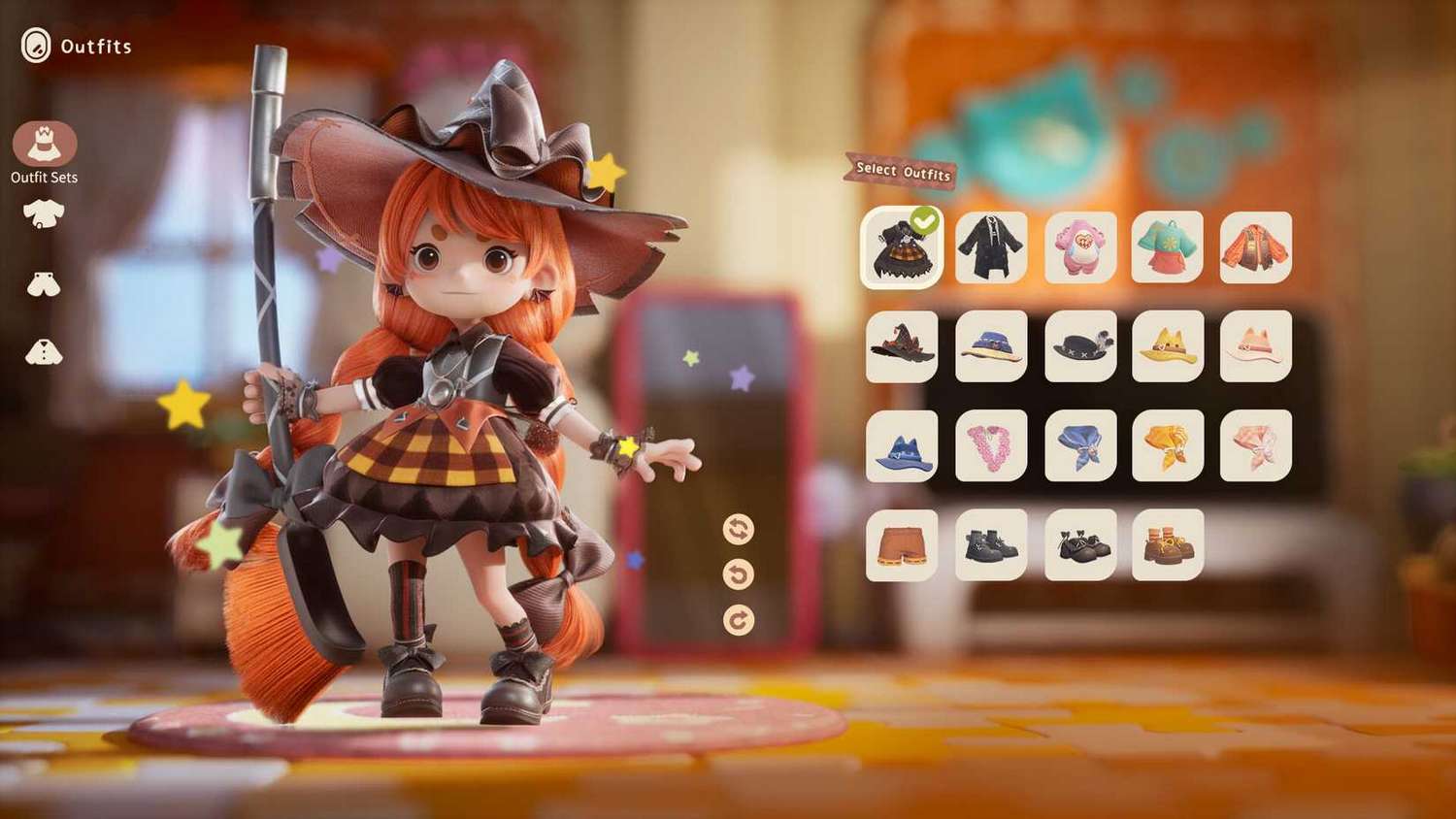
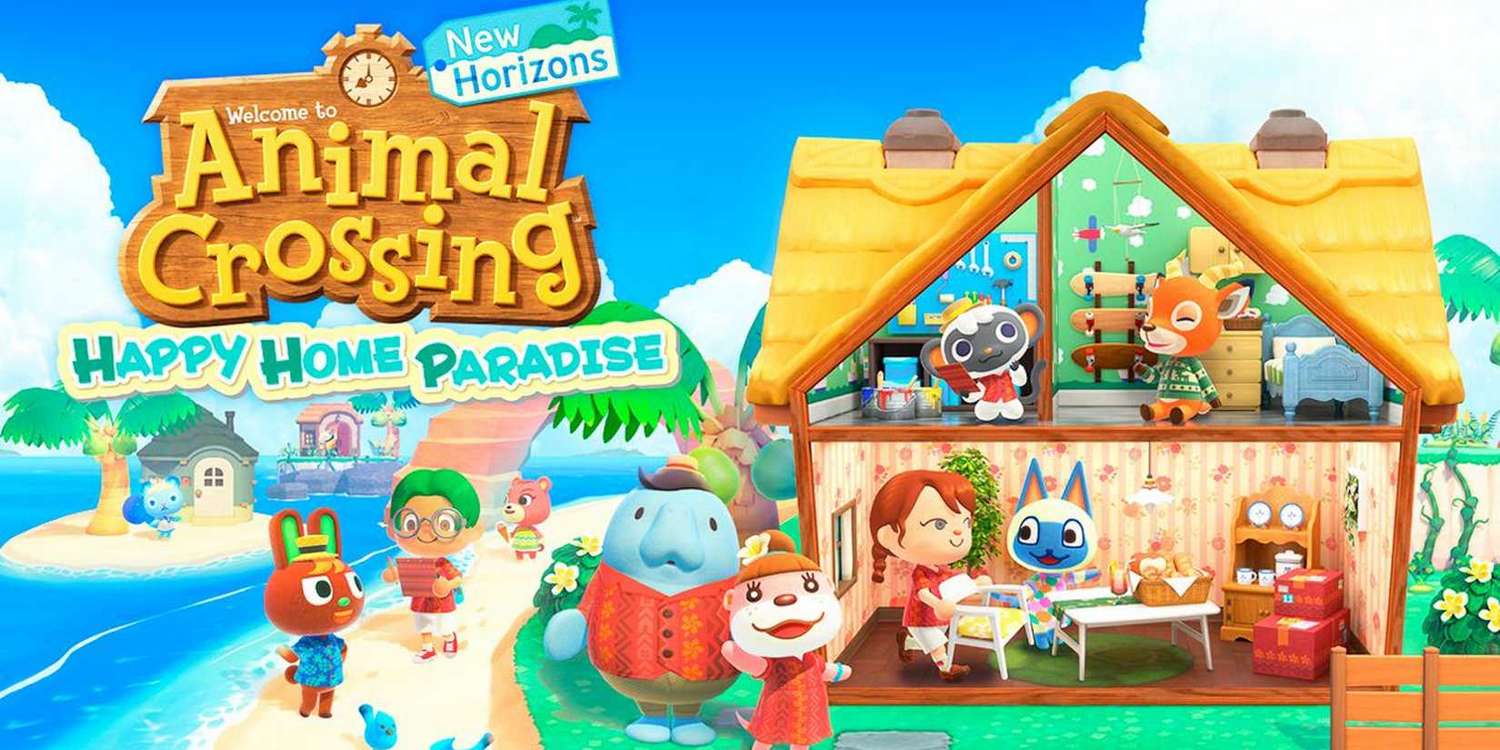
For years, the cozy life simulation genre has been largely synonymous with a single title: Nintendo’s beloved Animal Crossing. The formula of farming, friendship, fishing, and flexible customization has held a virtually unchallenged position on the Nintendo Switch. However, the gaming landscape of late 2025 is undergoing a seismic shift. The announcement and subsequent early access buzz surrounding HoYoverse’s Petit Planet—an unexpected, brand-new IP from the colossal developers behind mega-hits like Genshin Impact—signals the end of Nintendo’s peaceful reign. This is not just another Animal Crossing clone; it is a meticulously crafted, multi-platform life simulation game poised to go head-to-head with the undisputed champion.
The Market Opportunity: Why Nintendo is Vulnerable
The success of Animal Crossing: New Horizons was monumental, but its core limitations have left an open door for a serious competitor. Players crave deeper customization, broader accessibility, and a constant stream of high-quality content—areas where Nintendo’s title, tied to the real-time clock and a console-exclusive ecosystem, sometimes falters.
HoYoverse’s Strategic Advantage: Multi-Platform Dominance
- Accessibility: Petit Planet is confirmed for both PC gaming and mobile devices, with a console release heavily rumored. This immediately captures the vast global audience inaccessible to the Switch-exclusive Animal Crossing. This wider reach translates directly to massive potential in video game marketing and in securing high-value ad placements, making it a lucrative target for game publisher investment.
- Graphics & Engine: Leveraging their expertise with world-class engines, Petit Planet boasts a visual fidelity and dynamic world interaction that appears to push the boundaries of the cozy sim genre, offering an unparalleled level of detail for immersive gameplay.
- Monetization & Content: As a developer renowned for their live-service models, HoYoverse is expected to provide a continuous cycle of engaging game updates and events. This approach can solve the content drought criticism often leveled at New Horizons months after its launch, promising a higher return on investment for the player’s time and money.
 Deep Dive: Petit Planet Gameplay and Features
 Deep Dive: Petit Planet Gameplay and Features
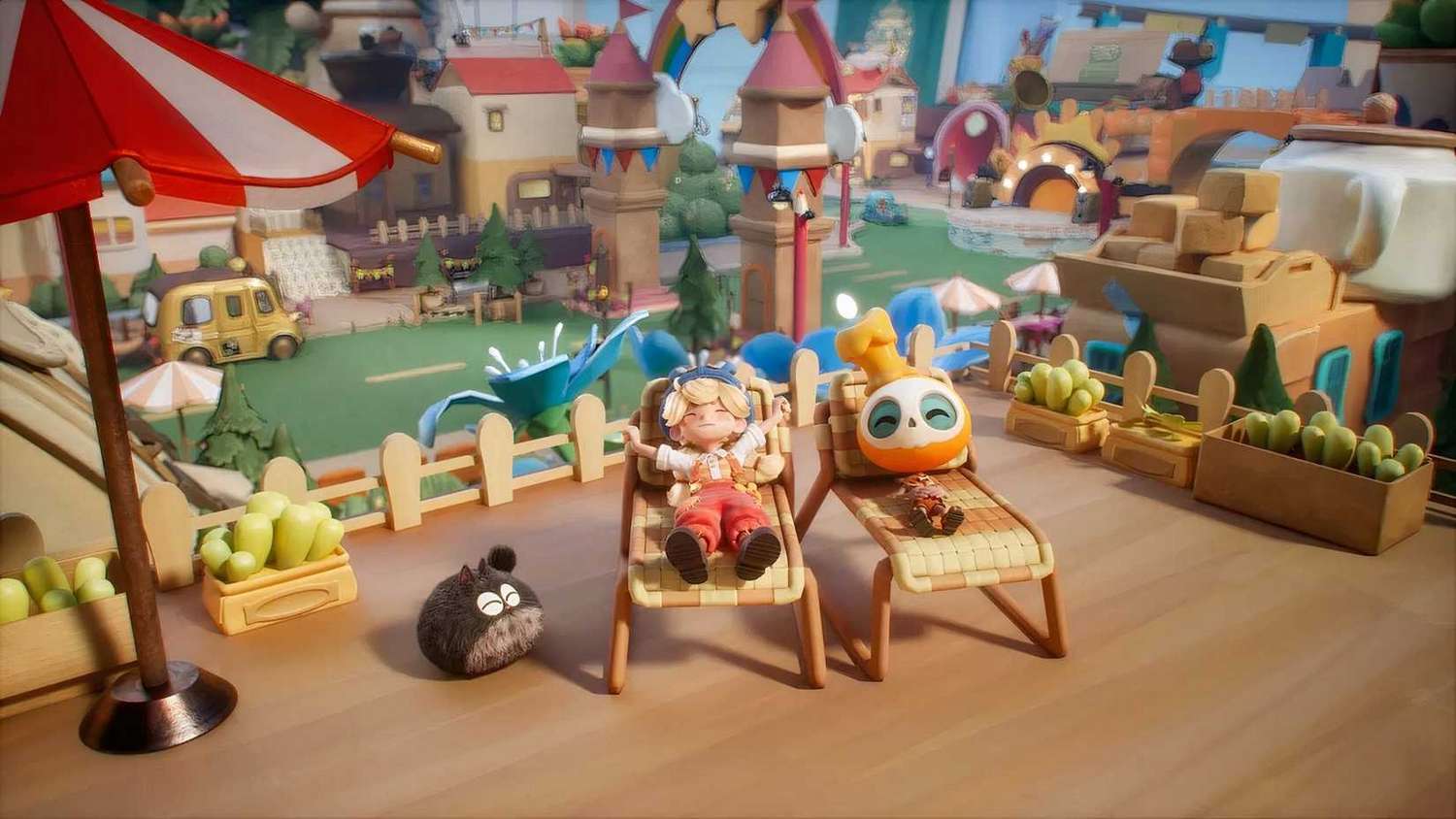
Initial previews of Petit Planet highlight its strong focus on a cosmic, terraforming narrative, blending the familiar cozy loop with elements of grand discovery. Players arrive on a small, undeveloped celestial body—their “Planet”—and are tasked with rebuilding a community and exploring the wider cosmos. This scope fundamentally broadens the game’s value proposition beyond a simple island retreat.
Core Mechanics and Innovations:
1. Unconstrained Building and Design:
Unlike the grid-based limitations of its primary rival, Petit Planet introduces truly innovative, grid-less building tools. Players can sculpt terrain with precision, place objects with rotational freedom, and even design their own furniture schematics using an in-game editor. This level of granular control is a direct answer to the demand for deeper home customization and is a powerful lure for the dedicated design community within the sim genre.
2. Dynamic Seasons and Cosmic Events:
While Animal Crossing follows Earth’s calendar, Petit Planet features its own set of dynamic, in-game ‘Cosmic Seasons’ tied to astronomical phenomena. These not only dictate crop growth and collectible item availability but also introduce unique, limited-time PvE (Player versus Environment) challenges and opportunities for rare material acquisition, offering a more engaging daily login incentive.
3. Advanced Social and Economic Simulation:
The game’s non-player characters (NPCs) are touted to have complex AI, with evolving relationships, dynamic preferences, and a functional in-game virtual economy. Players can open shops, trade rare items, and even invest in community projects that visibly alter the world, providing a depth of interaction often missing in previous cozy sims. The ability to buy and sell high-demand resources is a key component of this robust system.
4. Multiplayer and Community-Driven Content:
Petit Planet is heavily pushing its social features. The ability to seamlessly visit and interact with friends’ planets, engage in collaborative building projects, and participate in large-scale public events addresses a critical need for shared experience in the cozy gaming community. Furthermore, the game’s planned support for modding and user-generated content, a staple of successful PC simulation games, positions it as a long-term investment in the genre.
Conclusion: The End of a Monopoly
The emergence of Petit Planet is more than just a new release; it’s a direct, serious challenge to one of Nintendo’s most valuable properties. By addressing the core desires of the simulation game audience—namely, deeper building mechanics, cross-platform accessibility, and a commitment to sustained, rich content—HoYoverse is betting that a modern, open-ecosystem approach will dethrone the king of cozy. The marketplace for life simulation games is about to become a fiercely competitive battleground, and for consumers, that is a spectacular win. The era of the undisputed cozy monopoly is over, and the new gaming franchise on the block is making an undeniable play for the throne.